
For China & SE Asia Tours:
+86 156 9210 9030For Portland Tours:
+1 (503) 409-5593
We’d Love to Hear From You!
We’ll get back to you in less than 24 hours, 7 days a week. We promise.
This article is part of our Founder Series, a collection of articles written by Lost Plate’s founder Ruixi Hu. These articles share stories about her journey building Lost Plate to what it is today, and the memories that she has collected over the years.
Ask any Shanghainese person, “What does Shanghai taste like?” and you’ll likely hear about its rich, soy-infused cuisine, a steaming bowl of scallion oil noodles, or perfectly crisp Shengjianbao. But one dish that truly captures the essence of the city’s food culture is “Baoyu,” or Shanghai-style fried fish.
For generations, Baoyu has been more than just a dish—it’s a tradition, a celebration, and a taste of home.
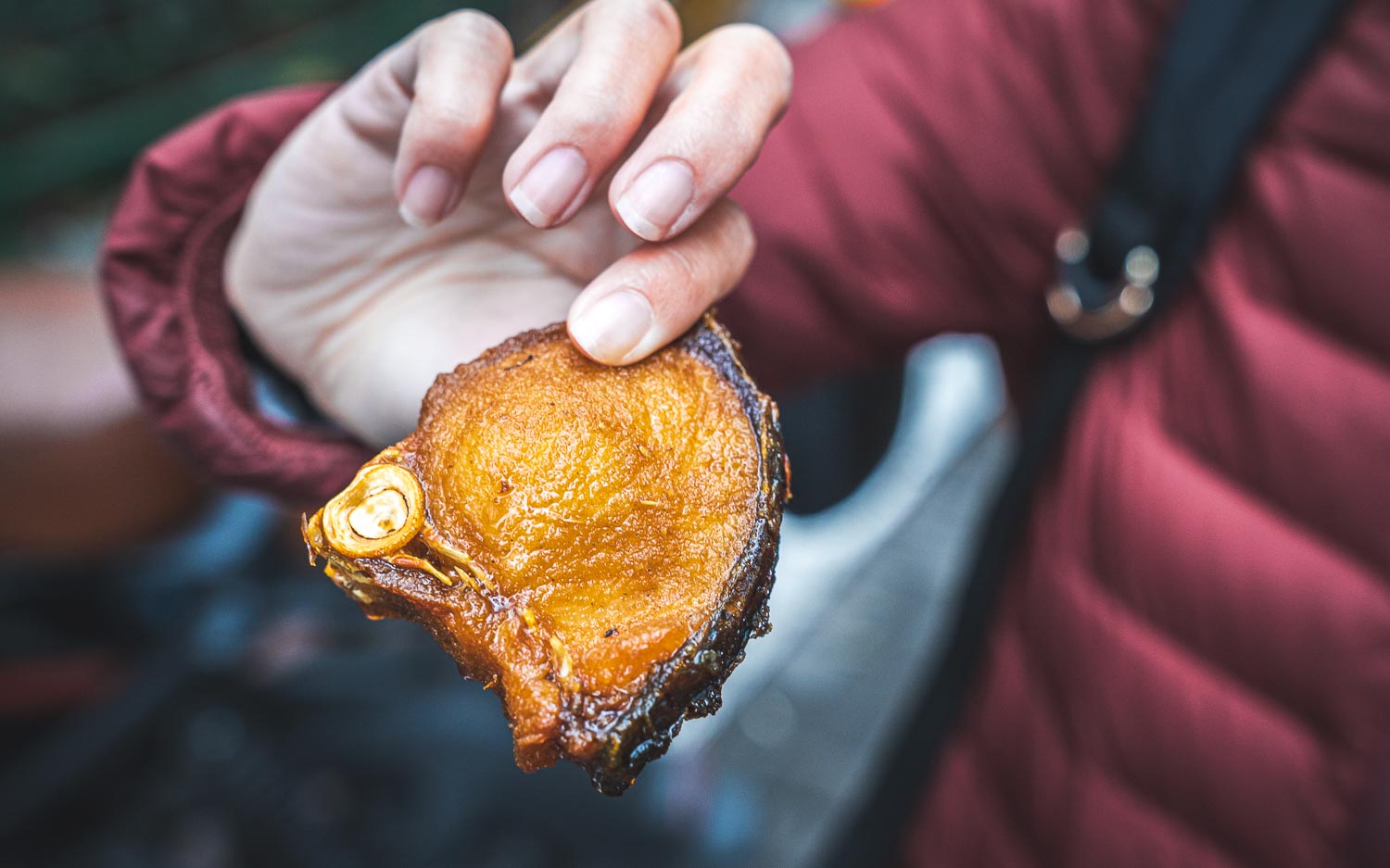
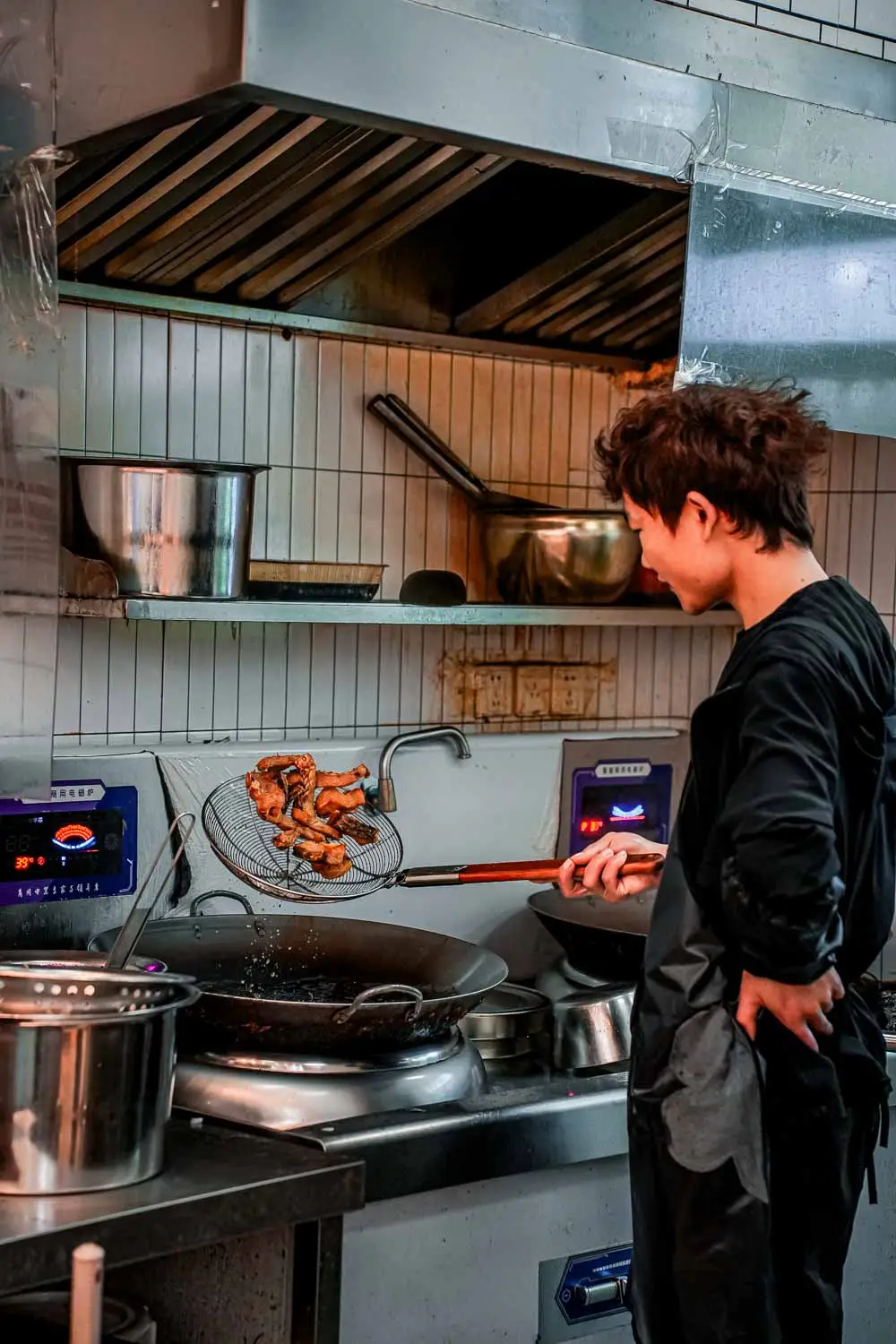
Baoyu is a staple in Shanghai cuisine, often served as a cold appetizer at family gatherings, festive dinners, and even as a casual snack. Despite its name, “smoked fish” (熏鱼), it is neither smoked nor grilled. Instead, it is deep-fried until golden brown and then soaked in a flavorful marinade made with soy sauce, sugar, and aromatic spices.
Beyond its delicious taste, Baoyu carries a deeper meaning. The word “爆” (bao) means “to explode,” symbolizing prosperity and abundance. That’s why it’s a must-have on New Year’s Eve dinner tables—it represents good fortune and success in the coming year.
In the past, when food wasn’t as abundant, Baoyu became an essential dish in every household because it could be stored and eaten for days. Unlike steamed fish, which is eaten fresh and immediately, Baoyu can last for many days, throughout the entire Spring Festival, ensuring there’s always something flavorful on the table.
For Shanghainese families, Baoyu is more than just food—it’s part of life. It has been a centerpiece of New Year’s Eve meals for generations, bringing hopes of prosperity for the year ahead. Even as times have changed, this tradition has remained, evoking memories of family gatherings and festive meals.
One of the most unique things about Baoyu is that it’s meant to be eaten cold. While most fried foods are best enjoyed hot and crispy, Baoyu is different. After frying, the fish is soaked in a fragrant marinade that infuses it with deep, savory, and slightly sweet flavors. This slow process allows the taste to develop fully, making the fish even more flavourful over time.
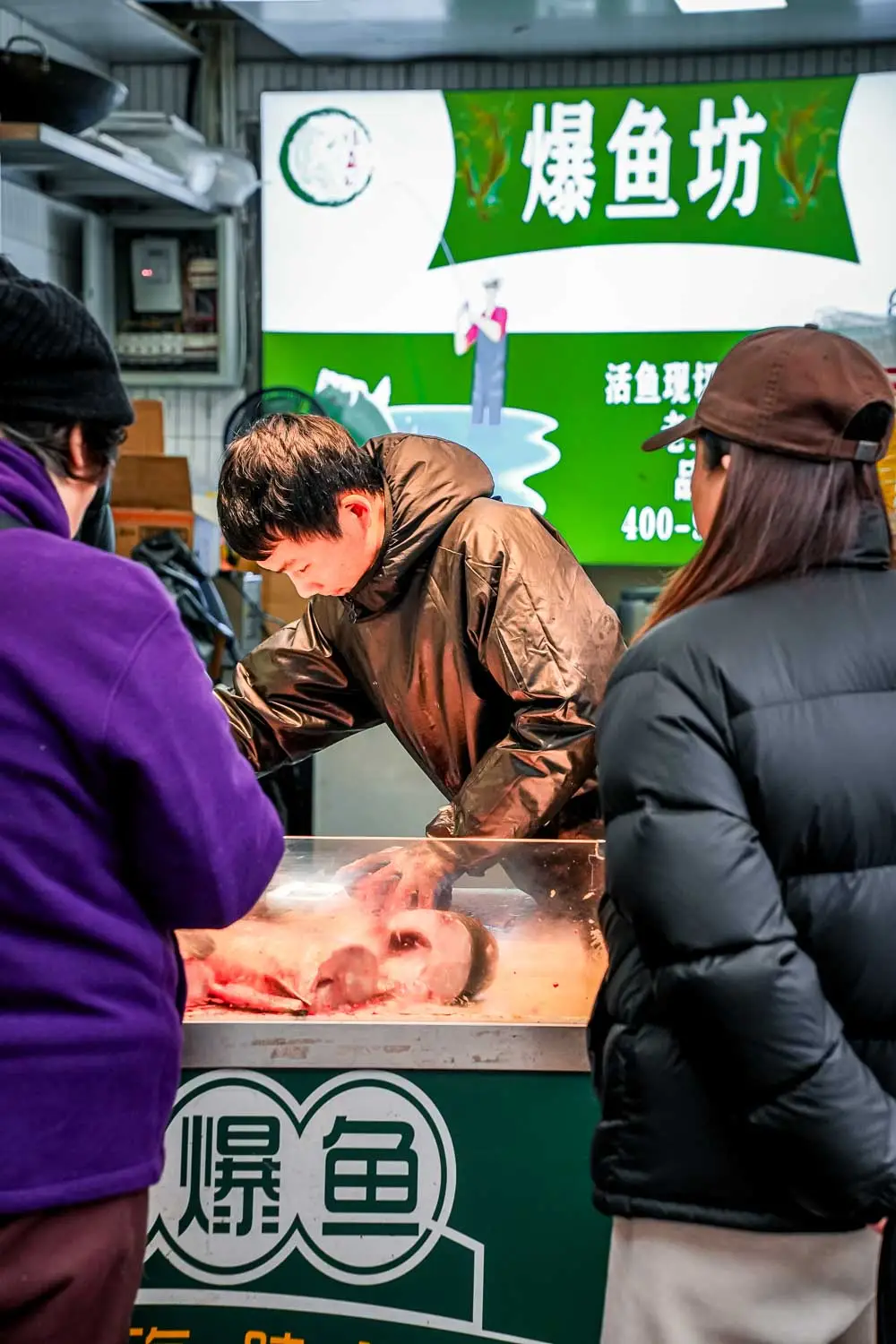
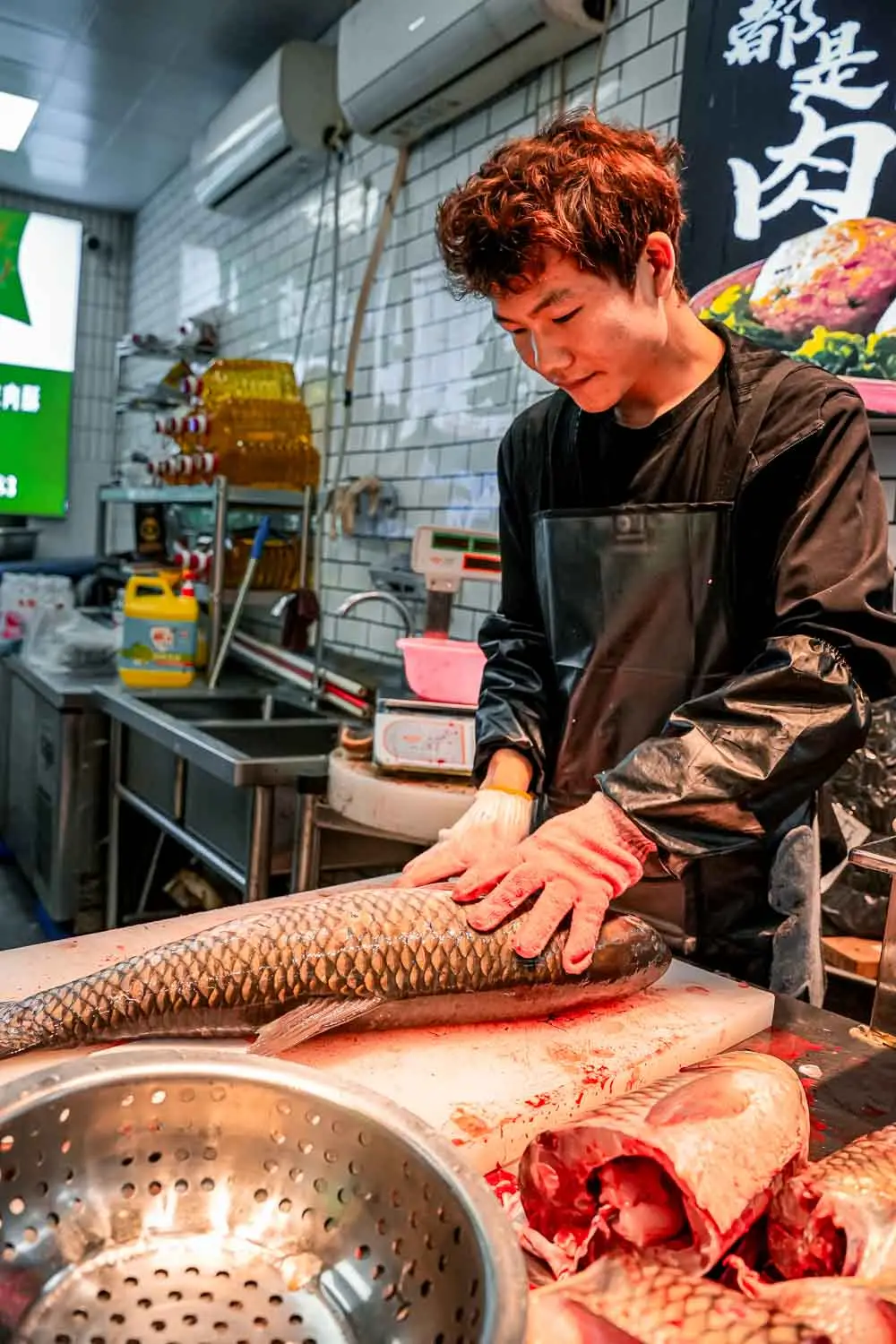
On our Shanghai Morning Tour, you won’t just try Baoyu—you’ll watch the whole thing unfold right in front of you. The fish arrives fresh from a nearby farm each morning and is cleaned, cut, and fried on the spot, just minutes before it’s soaked in a deeply flavorful marinade. It’s crispy, sweet, savory, and hands-down one of the best bites in the city.


There’s always a line of locals—especially old-timers—who know exactly which part they want. Some go for the juicy belly, others for the crispy tail. You’ll get to try it all and see what the fuss is about.
And while Baoyu might be the star of this stop, it’s just one of many dishes you’ll feast on during the tour. From street-side noodles to hidden dumpling joints, your morning will be packed with flavors, stories, and more than enough food to skip lunch.
|
|
|
|

In the spring of 2020, the world slowed down, but my mind did not. Like so many others in China’s travel industry, Lost Plate’s food tours came to a sudden halt when the pandemic closed borders. With no international guests, no tours, and no idea when things would return to normal, I found myself asking the same question as everyone else: what now?
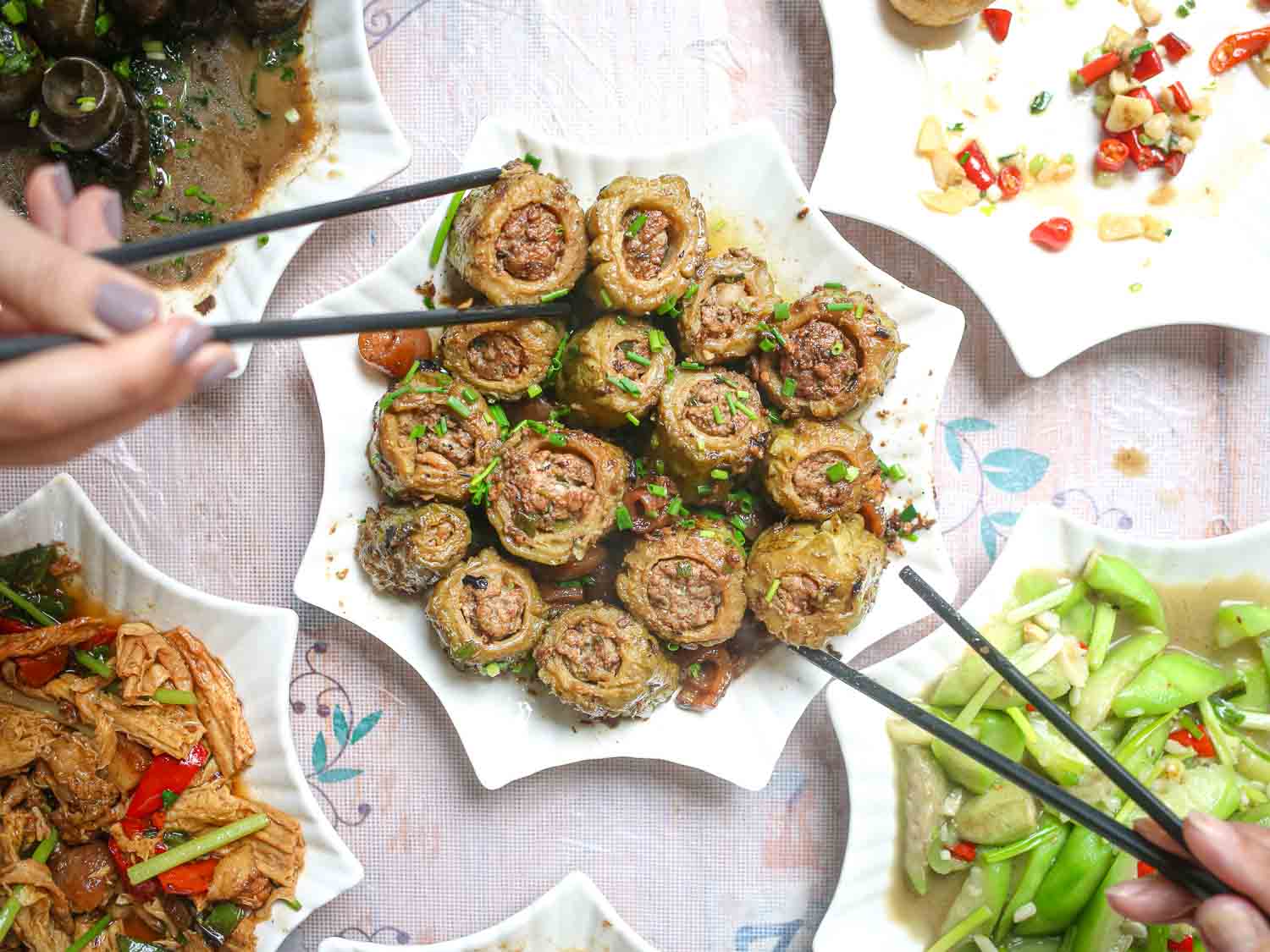
Some meals are about flavors. Others are about memory. And sometimes, if you’re lucky, a meal becomes a doorway into someone else’s world, where stories and laughter matter just as much as the food on the plate. That’s exactly what I found in a small village outside Yangshuo, where I sat down to one of the most unforgettable meals of my life. But this wasn’t a restaurant in the usual sense. It was someone’s actual home.

Ask any Shanghainese person, “What does Shanghai taste like?” and you’ll likely hear about its rich, soy-infused cuisine, a steaming bowl of scallion oil noodles, or perfectly crisp Shengjianbao. But one dish that truly captures the essence of the city’s food culture is “Baoyu,” or Shanghai-style fried fish.
You know the drill. Cookies store and/or access your device information so we can process data such as browsing behavior. Not consenting may adversely affect your experience while using this site.