Xizhou Baba: Century-Old Sourdough Tradition from Yunnan’s Charcoal Ovens

This article is part of our Founder Series, a collection of articles written by Lost Plate’s founder Ruixi Hu. These articles share stories about her journey building Lost Plate to what it is today, and the memories that she has collected over the years.

In the heart of Xizhou, a small town by Yunnan’s Erhai Lake, the scent of baking bread drifts through the air. Inside a modest, flour-dusted bakery, Mr. and Mrs. Yang stand over a charcoal-fired oven, their hands moving with quiet precision – just as generations before them have done.

This is the home of a century-old tradition: Xizhou Baba.

A Taste of the Tea Horse Road

Xizhou Baba was born on the ancient Tea Horse Road, once a staple for weary traders who needed food that was compact, nourishing, and built to last. Over time, this humble bread evolved into something more – a local delicacy balancing rustic charm with new ingredients. A crisp, golden crust gives way to soft, honeycombed layers inside, with fillings that burst with warmth. The choices are simple: savory, stuffed with minced pork and scallions, or sweet, filled with house-made red bean paste and rose petal jam, fragrant from hand-picked blooms.

But Xizhou Baba is more than just a snack. It is a ritual, a livelihood, a quiet rebellion against time itself.

A Family’s Labor of Love

For five generations, Mr. Yang’s family has kept the sourdough alive. First mixed during the Qing Dynasty, their starter has been nurtured daily for over a hundred years. Each evening after dinner, they knead fresh dough, leaving it to ferment overnight until it’s soft and speckled with tiny air pockets. By morning, it’s alive – bubbling, stretching, and ready to transform.

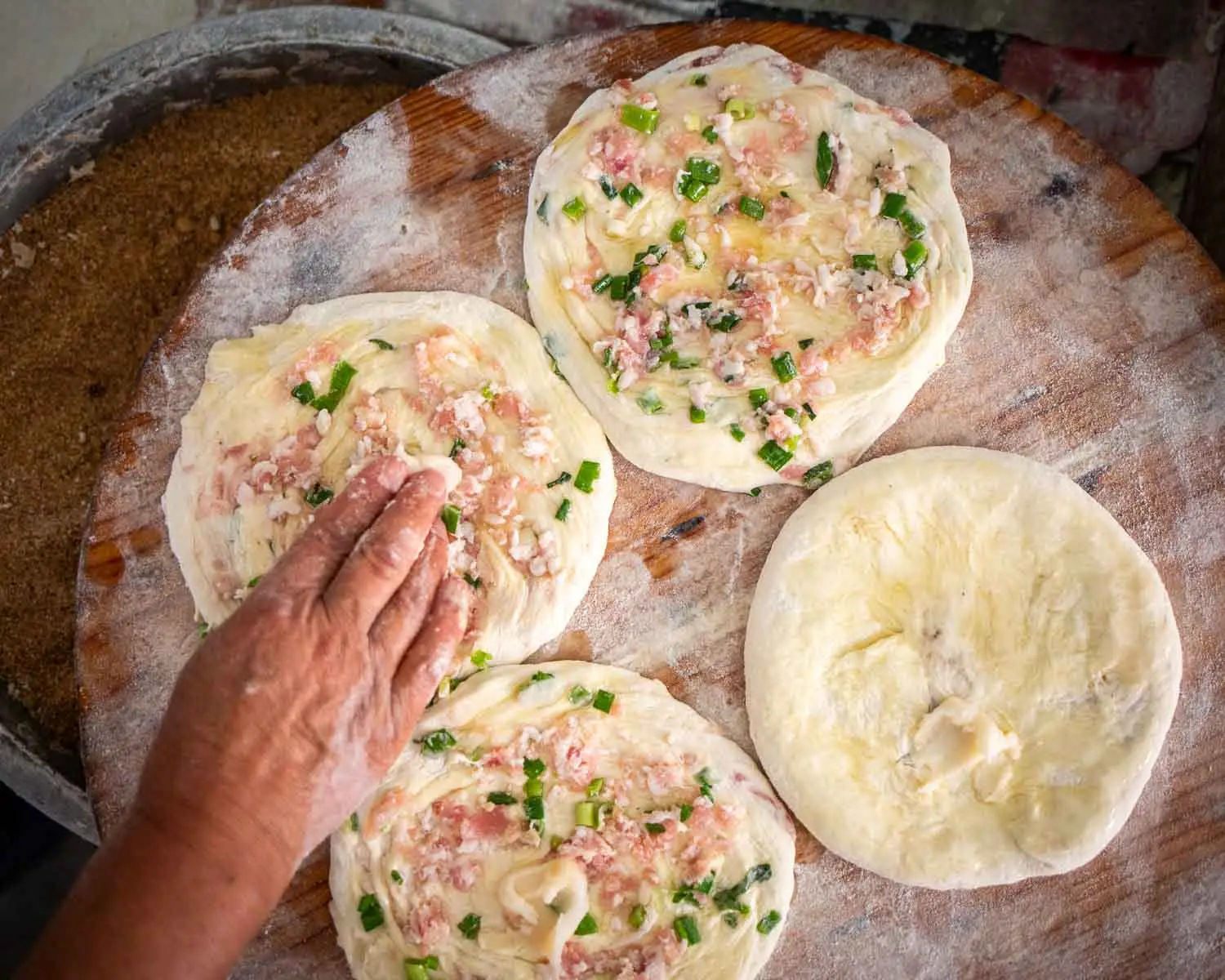
Each day follows the same rhythm – feed the starter, mix the dough, let it rise overnight until it’s soft and airy. Yang’s wife moves with practiced rhythm: slap (pork lard for richness), scatter (spring onions for bite), and twist (the stretchy dough). Then into the fire it goes, which is the really special part. Their traditional oven uses charcoal below the baking pan, and uses a pulley system to hoist the lid (also topped with charcoal) to cover while baking. 

Hand kneading Xizhou Baba

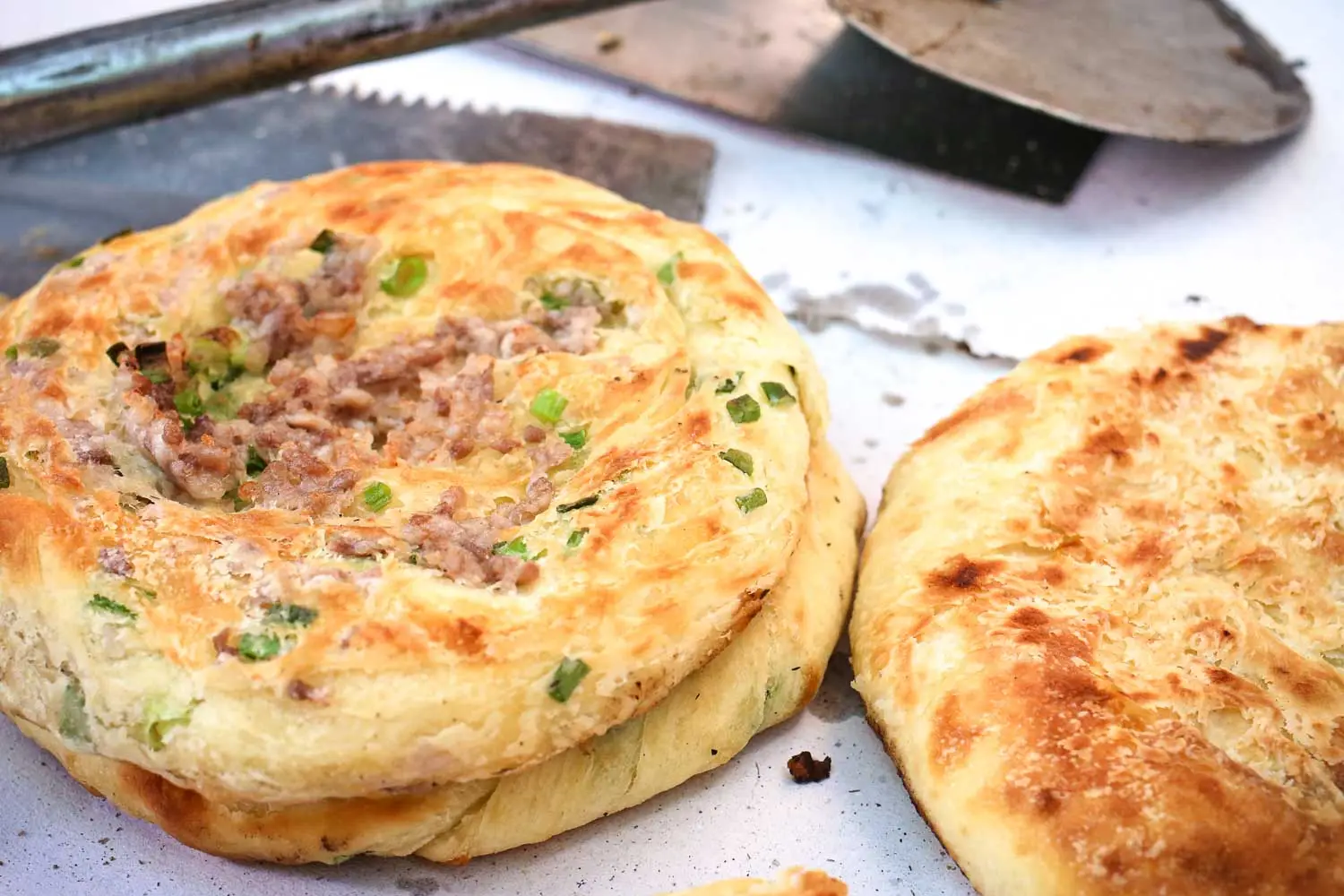
Three minutes later, golden round breads emerge, crisp on the outside, warm and airy inside – simple, but perfect.

In the distance, Mr. Yang’s mother calls him “Lazybones.” Watching her son begin work at 10 am is a far cry from her own sunrise shifts in the 1980s. But times have changed. The bakery once sold up to 1,200 pieces per day, carefully calculating how much dough to reserve each night. Now, they make just enough to sell out by early afternoon – around 400-500 per day.

The Last Generation

Pile of cooked Xizhou Baba

“Office jobs for the kids,” Mrs. Yang declares, kneading furiously. She gestures at the soot-darkened shovels hanging on the walls. “This life” she exhales, “will end with us.”

The business remains steady by choice, with Mr. Yang and his wife intentionally capping production – just enough to sustain their rhythm without being consumed by the demands of expansion. Yet the sourdough lives on, bubbling and growing, an unbroken link to the past. The fire still burns, as it has for over a century, and on some afternoons you’ll still find the grandmother in the courtyard, picking and drying roses for the jam, their fragrance curling through the air like a quiet echo of history. Xizhou Baba may not last forever. But for now, it’s here – warm, fragrant, and waiting for those who come looking.

Want to visit Xizhou and Mr. and Mrs. Yang's Baba Shop?

If you’re curious to experience this slice of living history, join us on our multi day Yunnan trip from Dali to Lijiang. You’ll visit Xizhou, meet Mr. and Mrs. Yang, and taste their handmade baba fresh from the fire. It’s not just a stop. It’s a moment that connects you to generations of tradition, one warm bite at a time.

Our Multi-day Trips:

More From Our Founder Series:​

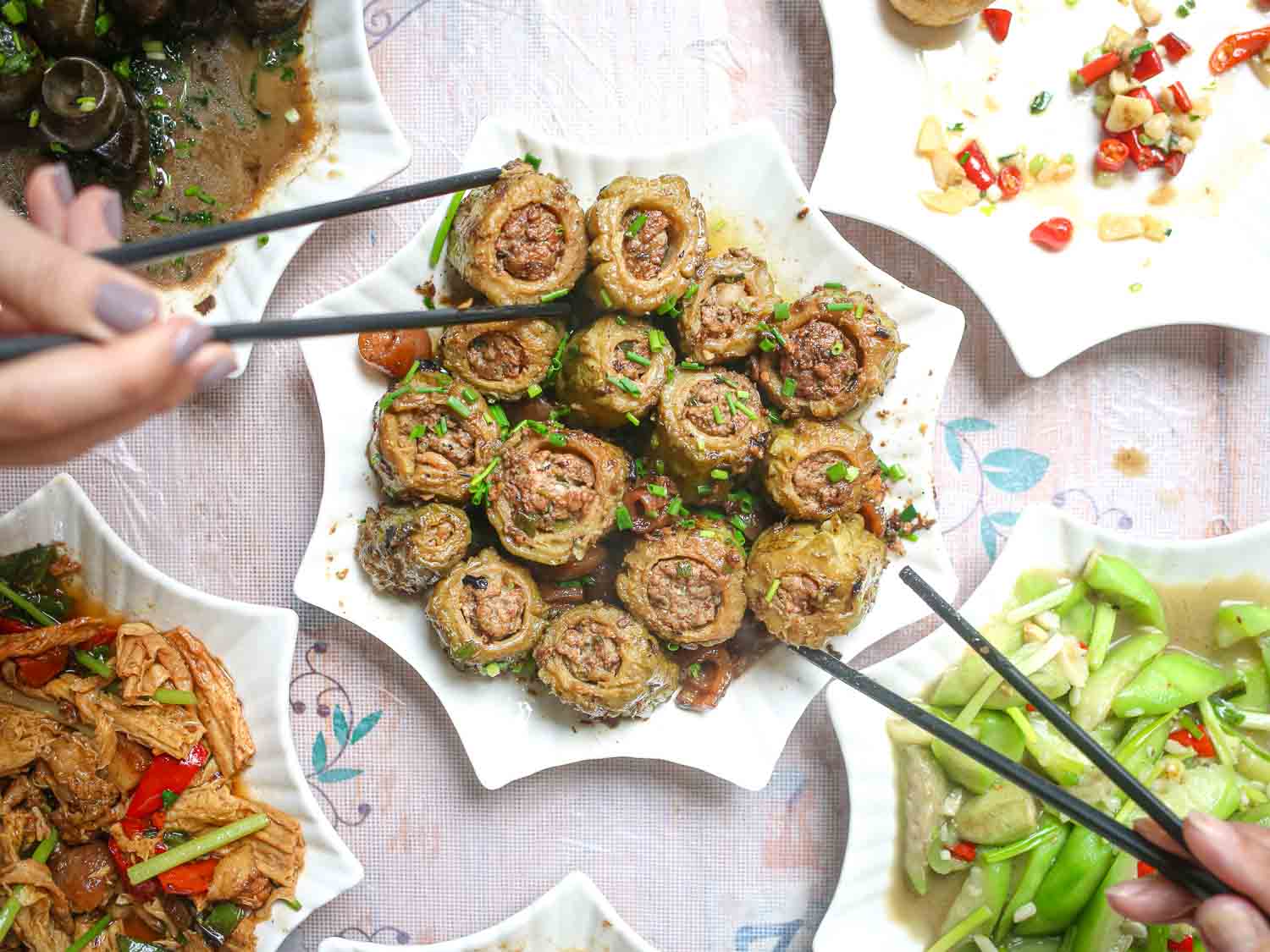
Table with stuffed dishes

A Home-Cooked Meal in Yangshuo: The Art of Stuffed Dishes

Some meals are about flavors. Others are about memory. And sometimes, if you’re lucky, a meal becomes a doorway into someone else’s world, where stories and laughter matter just as much as the food on the plate. That’s exactly what I found in a small village outside Yangshuo, where I sat down to one of the most unforgettable meals of my life. But this wasn’t a restaurant in the usual sense. It was someone’s actual home.

Read More »