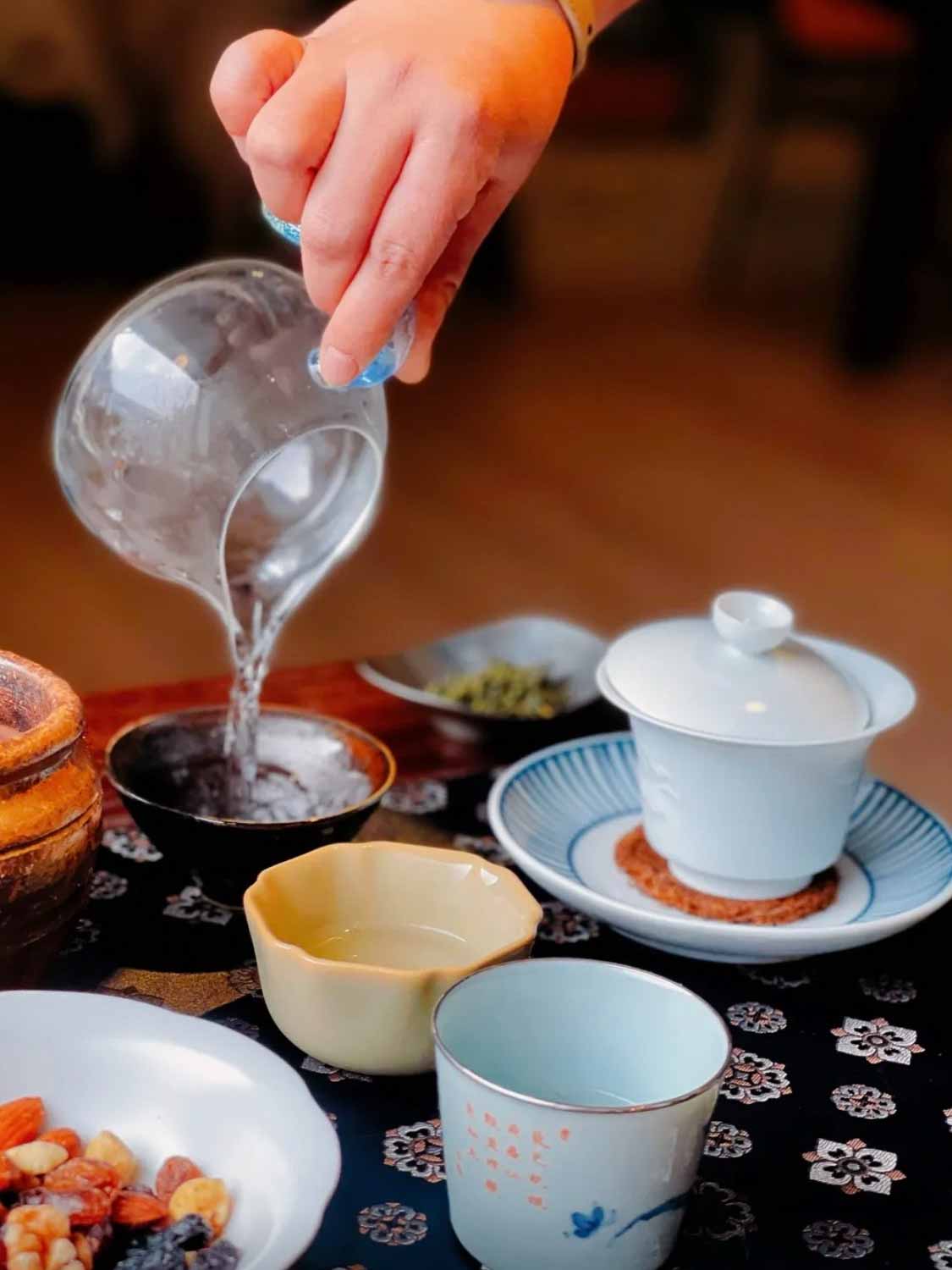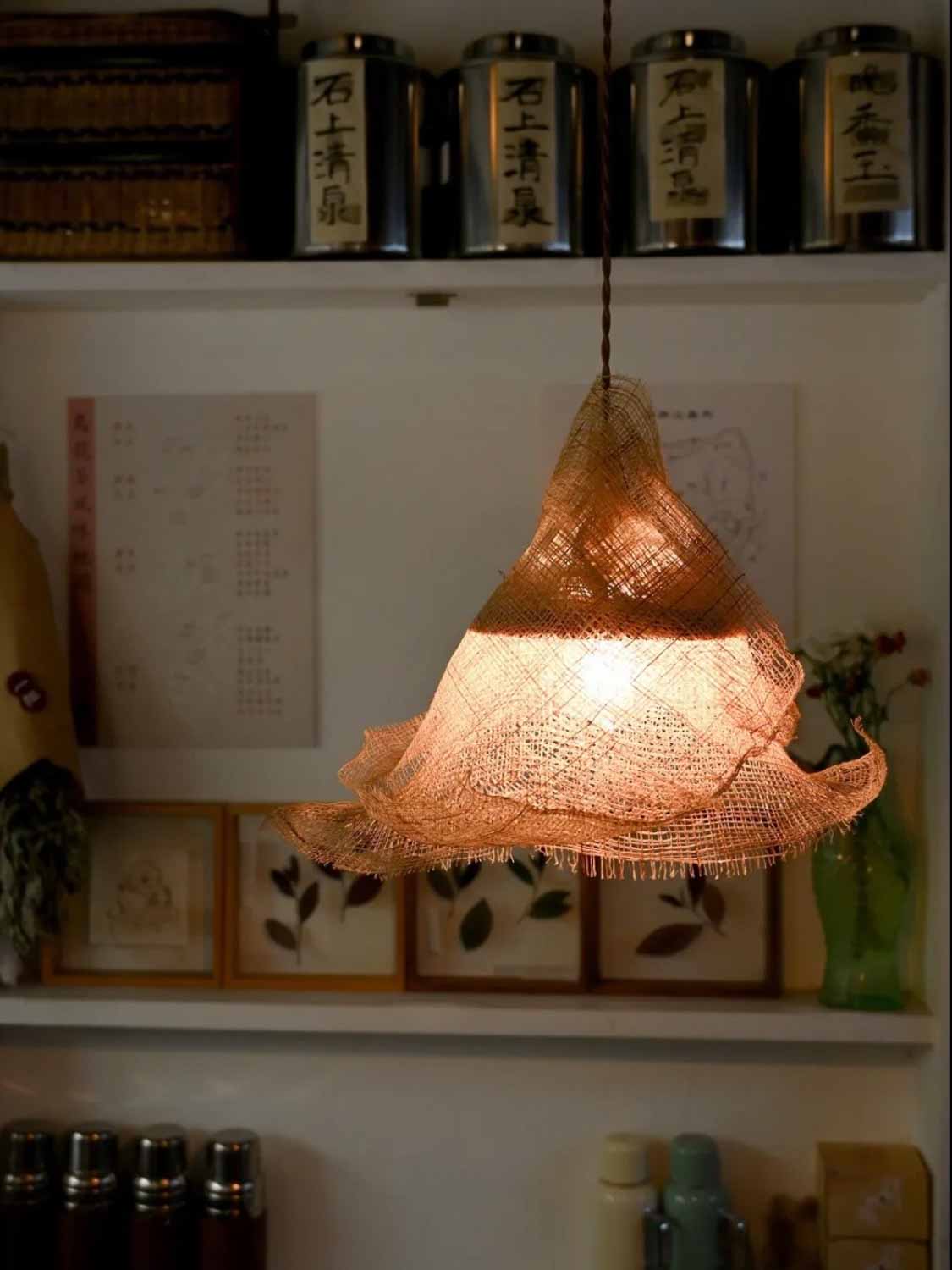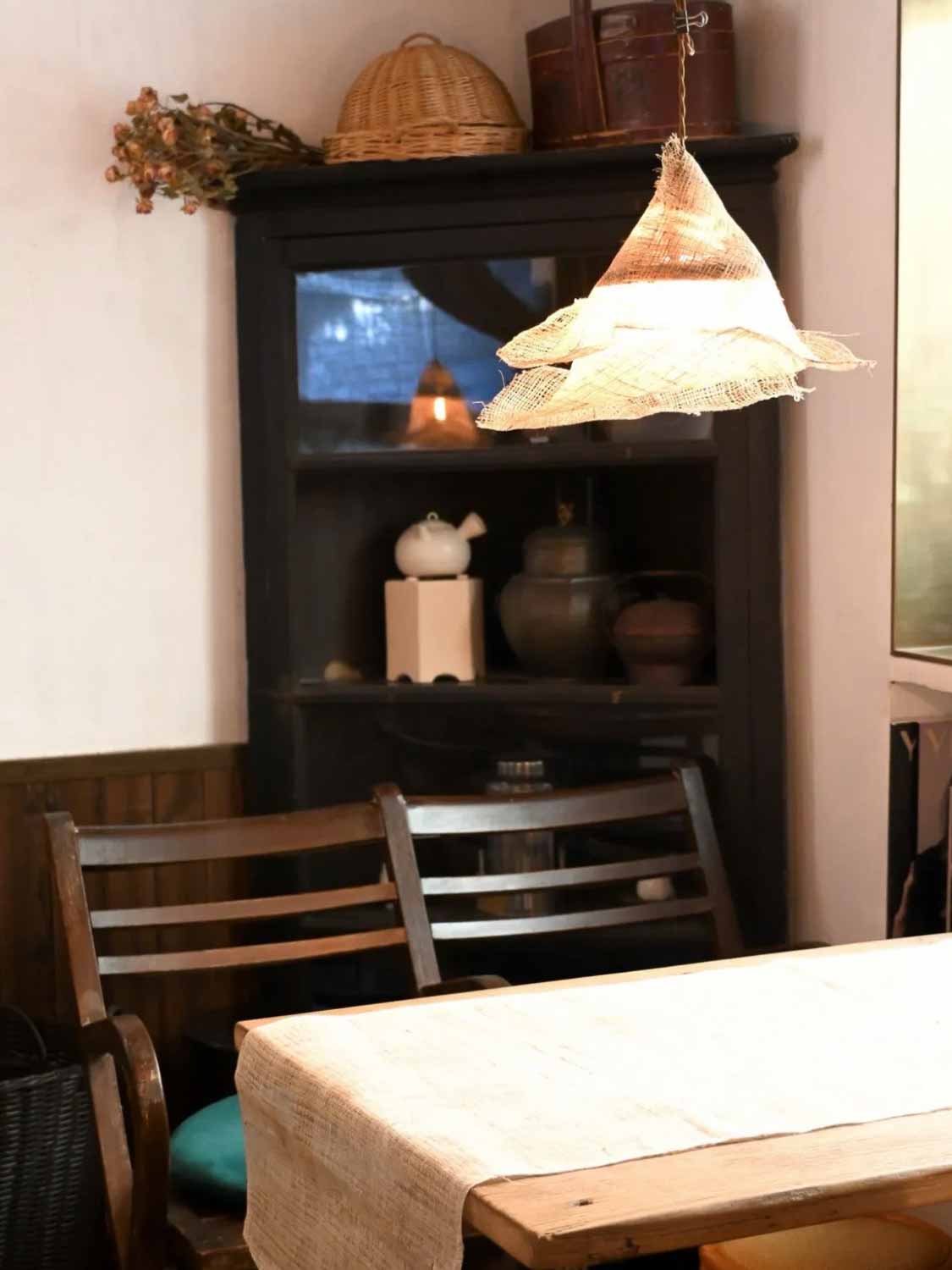

Beijing's Best Hidden Tea Houses in 2026

Tea has a long and important tradition in China. Long before trendy cafés and milk tea chains filled city streets, tea shaped how people gathered, how news spread, and how power moved across continents. To understand Beijing’s hidden tea houses, it helps to understand the weight carried in a single cup.

Is coffee more your thing? Take a look at our favorite coffee shops in Beijing for your next caffeine fix.

The Story Behind the Leaf

Tea is the second most consumed beverage in the world after water, and its story begins in China. Legend has it that leaves from a wild tea tree drifted into Emperor Shen Nong’s boiling water in 2737 BC. Whether myth or memory, tea quickly moved from medicine to ritual, and eventually into daily life. By the Tang Dynasty, tea had become a social drink. This period is often called the Golden Age of Tea, when tea (茶 / chá) entered poetry, art, and conversation. From there, tea did not just travel. It reshaped global trade. European demand drove maritime routes, colonial expansion, and even conflict. The British appetite for tea influenced global finance and contributed to events as far away as America's Boston Tea Party. Even the word “tea” reflects these routes. Regions that received tea overland use variations of cha. Those that traded by sea use te or tea, echoing the Min dialect spoken along China’s coast. A single leaf left linguistic fingerprints across continents. Despite the variety you see on menus, nearly all true tea comes from one plant: Camellia sinensis. Green, white, oolong, black, and dark teas are variations in processing and oxidation, not different species. Green tea is lightly oxidized and fresh. Black tea is fully oxidized and bold. Oolong sits somewhere between. What changes is craft, terroir, and technique. Understanding this makes walking into a Beijing tea house less intimidating. You are not choosing between different plants. You are choosing styles of transformation.
Why Tea Houses Still Matter in Beijing

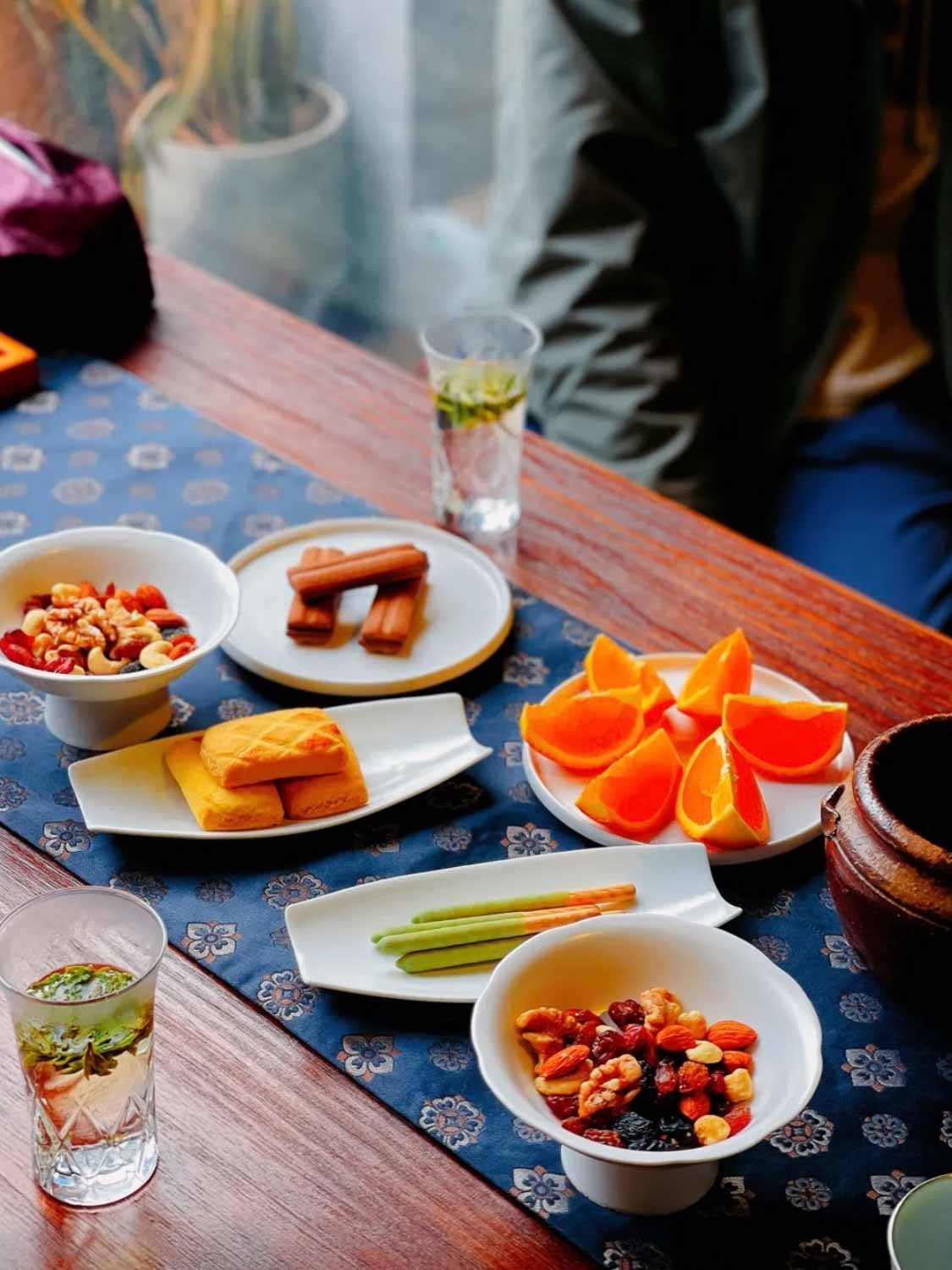
Tea houses in Beijing are not decorative relics. They are living spaces. Historically, they were where news traveled before newspapers. Where politics was debated. Where games of mahjong stretched for hours. During the Cultural Revolution, tea houses were among the first public spaces targeted for closure. The phrase “being asked to tea” even became shorthand for being summoned by authorities. Today, they remain anchors in a city that changes quickly. Elders gather in traditional courtyard spaces. Young professionals seek quieter alternatives to crowded cafés. If you want to understand Beijing beyond landmarks and skylines, step into a tea house. The rhythm is different. The pace slows. The city feels older and more grounded.

Cha Wei Cha She

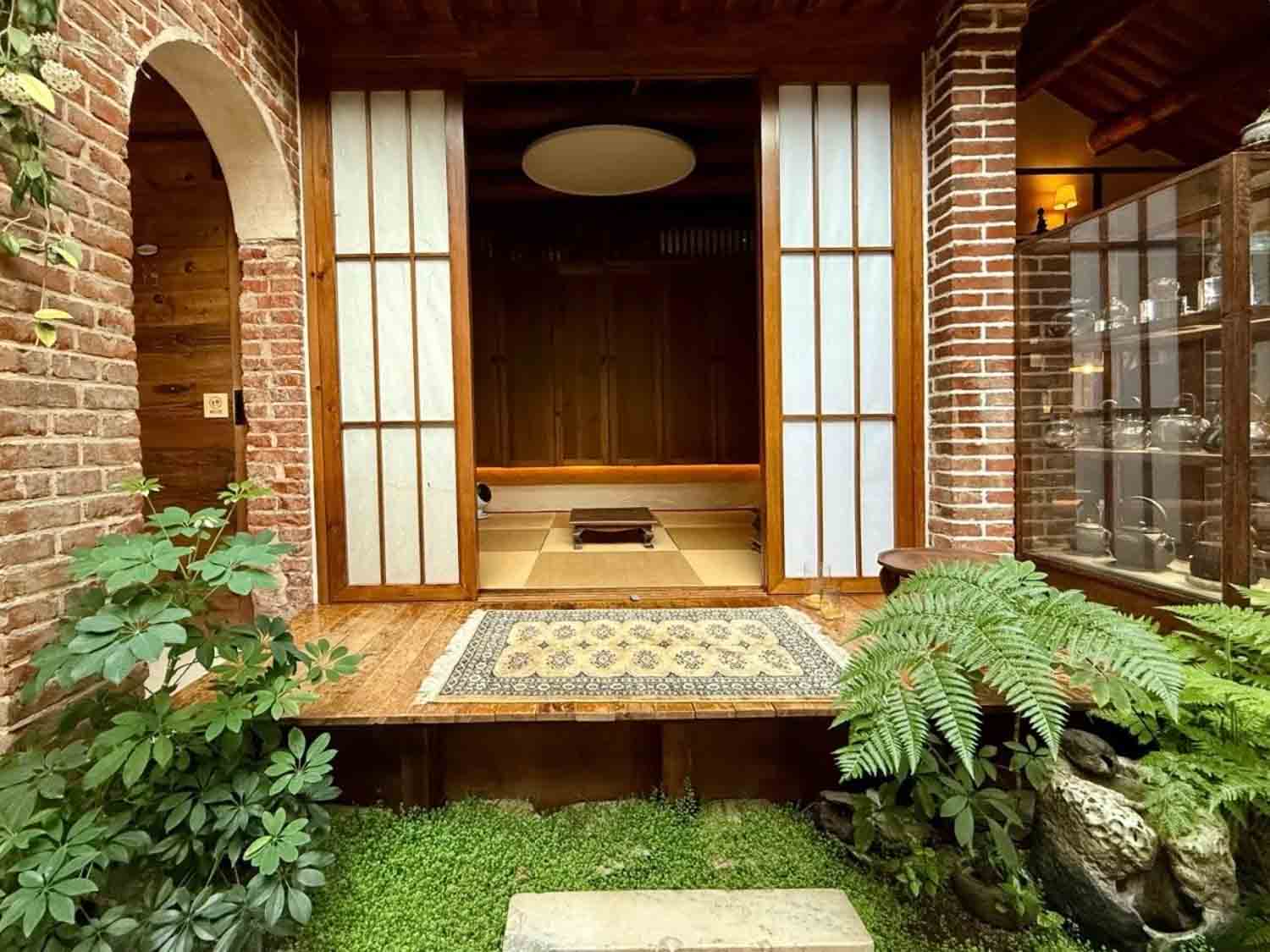
Hidden in a residential hutong near the Confucius Temple and Lama Temple, Cha Wei Cha She is easy to walk past. Step through the modest entrance and you’ll find a spacious traditional courtyard shaded by old trees, with quiet rooms arranged around it. It’s calm, serene, and an ideal place to slow down after visiting the Lama Temple.

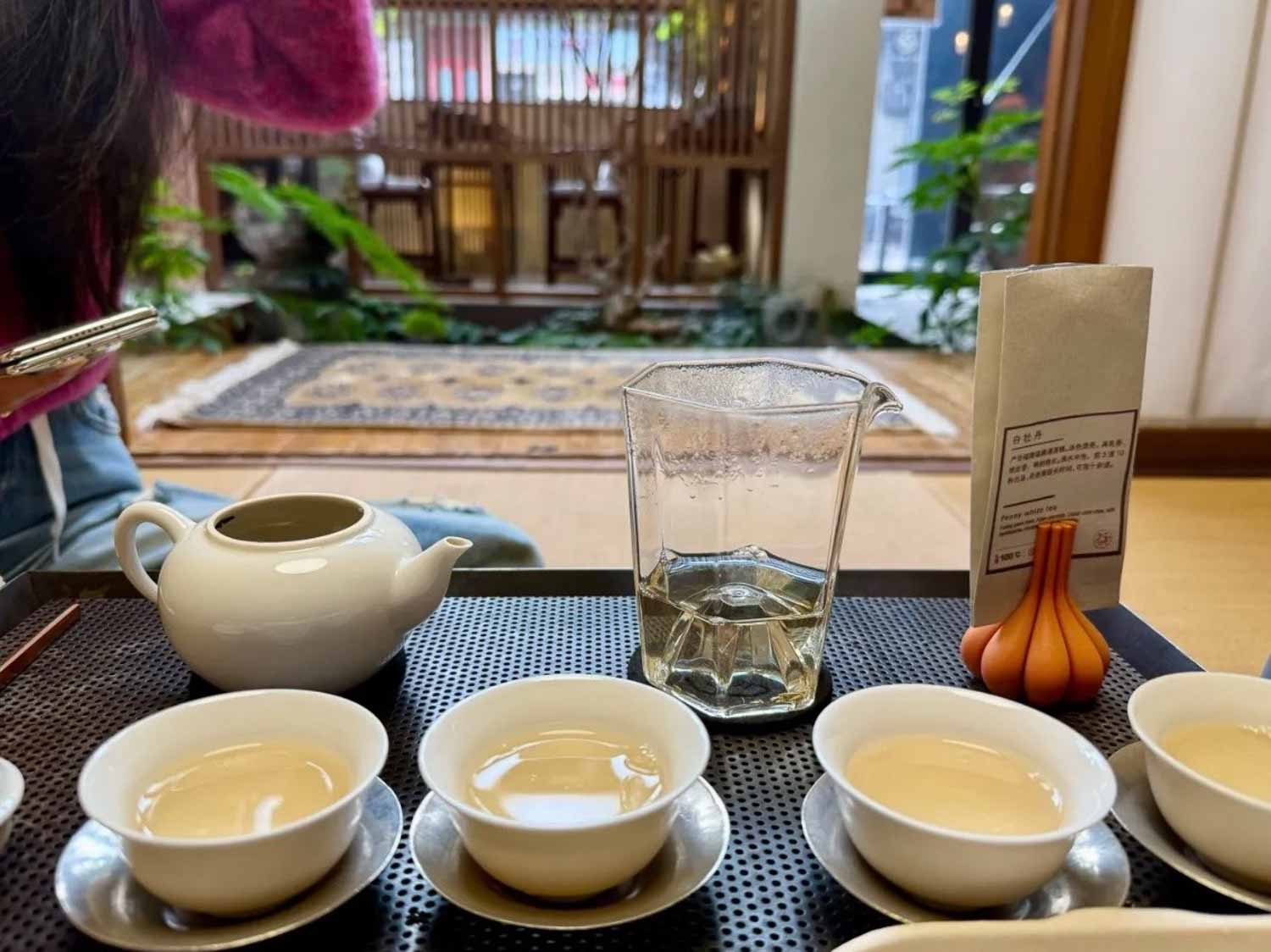
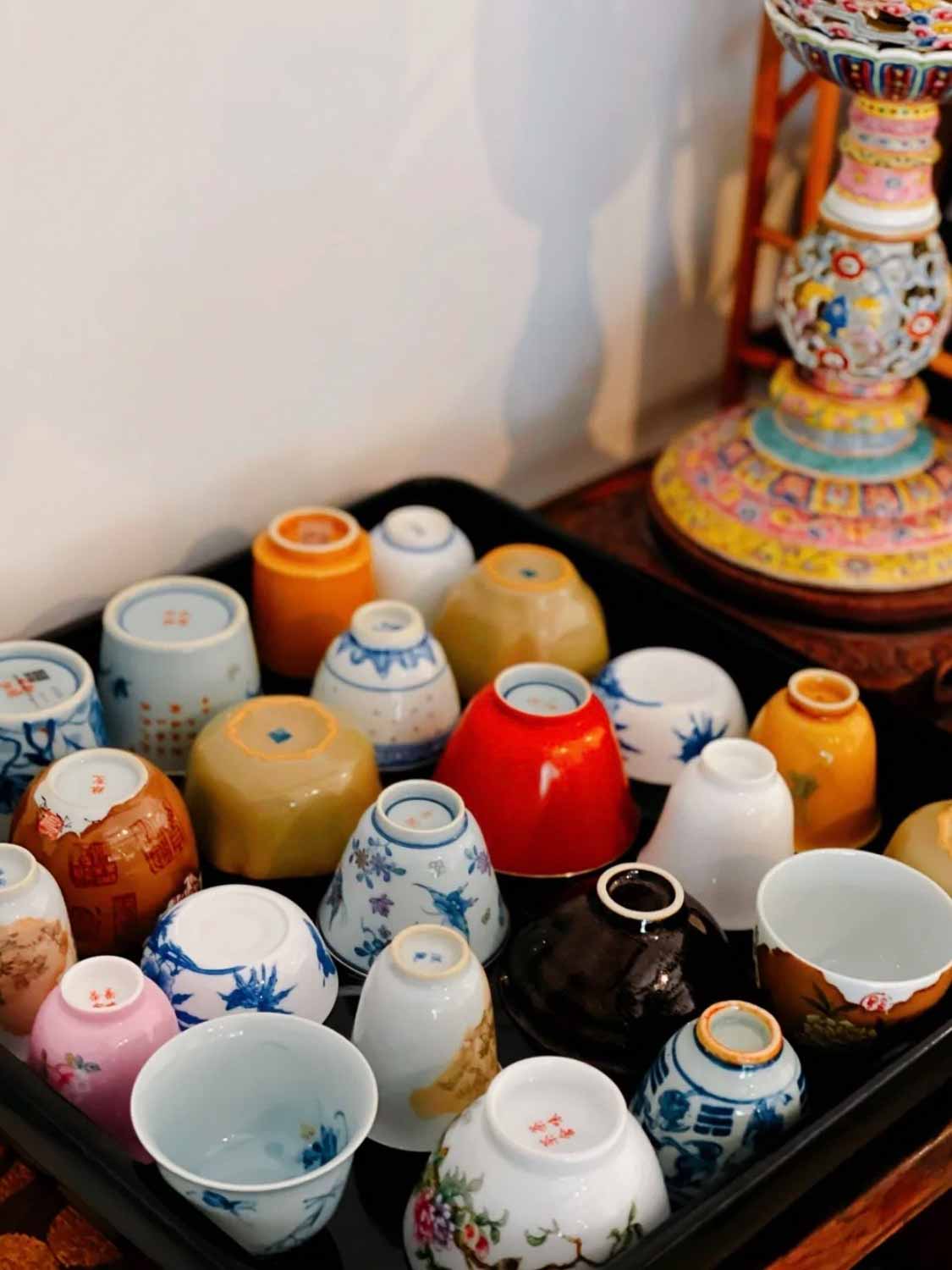
Guests pay a base tea fee per person for several hours of seating and their choice of tea. The experience feels relaxed and unhurried. White Tea works beautifully in cooler months, while their Specialty Jasmine Tea is a strong pick in spring and summer. The focus here is traditional, well-crafted teas rather than modern twists. They also carry a curated collection of tea cups and teaware for sale, worth browsing before you leave.

Choose this spot for a peaceful courtyard setting and a slower, more classic tea experience.

Name & Address: Cha Wei Cha She

18 Guanshuyuan Hutong, Yonghegong. Accessible by the Yonghegong Lama Temple subway station on Lines 2 and 5

Opening Hours: Daily from 10:30 to 19:00

What to put in your taxi app: 茶味茶舍(雍和宫店)

What to Order:

  • Red plum tea (九曲红梅)

  • White tea (白茶)

Average Price: 200 RMB

What We Love: A serene courtyard escape near Lama Temple.

Google Map (Requires VPN in China): Click here

Chinese Map: Click here

Yi Zhuo

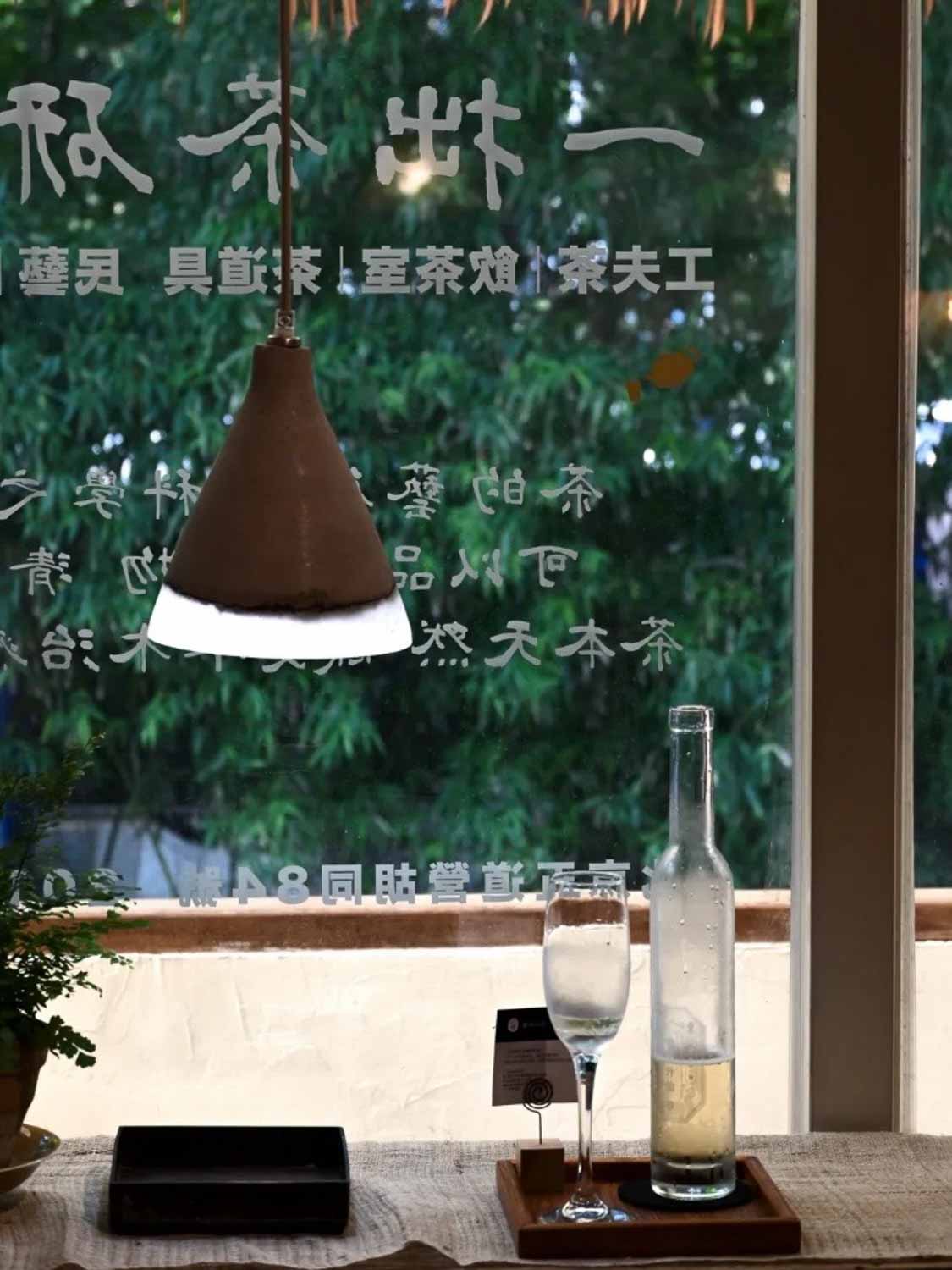
Located at the end of Wudaoying Hutong, Yi Zhuo sits in one of Beijing’s livelier hutong stretches, surrounded by indie cafés, boutiques, and creative spaces. It offers a different take on tea culture. Modern, interactive, and part tea house, part bar. The small entrance opens into a cozy space lined with tea leaves and teaware on display. Yi Zhuo specializes in alcohol infused teas, making it a great lens into the younger, experimental side of Beijing’s tea scene.

In summer, Champagne Oolong is refreshing and lightly sparkling. In winter, Brandy Black Tea is the standout. The brandy is lit briefly before being poured, adding both warmth and a bit of theater to the experience.

The snack menu leans fusion rather than traditional, with sweet and playful options designed to pair with their drinks.

Choose this spot if you want to see how tea culture evolves in a modern hutong setting.

Name & Address: Yi Zhuo

84 Wudaoying Hutong. Accessible by the Andingmen subway station on Line 2

Opening Hours: Daily from 11:00 to 18:00

What to put in your taxi app: 一拙茶研所

What to Order:

  • Champagne Oolong Tea (香槟乌龙)

  • Brandy Black Tea (火焰红茶)

  • Lychee Black Tea Chocolate (荔枝红茶巧克力)

Average Price: 120 RMB

What We Love: Tea with a modern, boozy twist.

Google Map (Requires VPN in China): Click here

Chinese Map: Click here

Get our Free
China Travel Guide!

Eating well and traveling in China is hard, so we made it easier.

CHA Maker

If you’re joining our Beijing Evening Food Tour, CHA Maker is the perfect place to unwind beforehand. Tucked just off the busy lanes in the Nanluoguxiang and Drum Tower area, it offers a calm contrast to the surrounding crowds.

A pebble garden opens into a modern lofted interior, and there’s also a lovely rooftop space that’s especially nice on clear days. It blends traditional tea with a contemporary edge.

Osmanthus Pu’er is the standout. The fermented depth of pu’er meets soft floral sweetness, creating something smooth and layered. If you prefer something stronger, their peach blossom rice wine adds a subtle boozy twist.

Slightly pricier than traditional tea houses, but worth it for the design, rooftop setting, and unique blends.

Name & Address: CHA maker

# 3, Nanxiawazi Hutong. Accessible by the Shichahai subway station on Line 8

Opening Hours: Daily from 10:00 to 20:00

What to put in your taxi app: 茶作  CHA maker

What to Order:

  • Osmanthus and Pu’er Tea (桂花普洱茶)

  • Jasmine Rose Black Tea (茉莉花玫瑰红茶)

Average Price: 300 RMB

What We Love: Osmanthus Pu’er with a rooftop view.

Google Map (Requires VPN in China): Click here

Chinese Map: Click here

Pure Teahouse

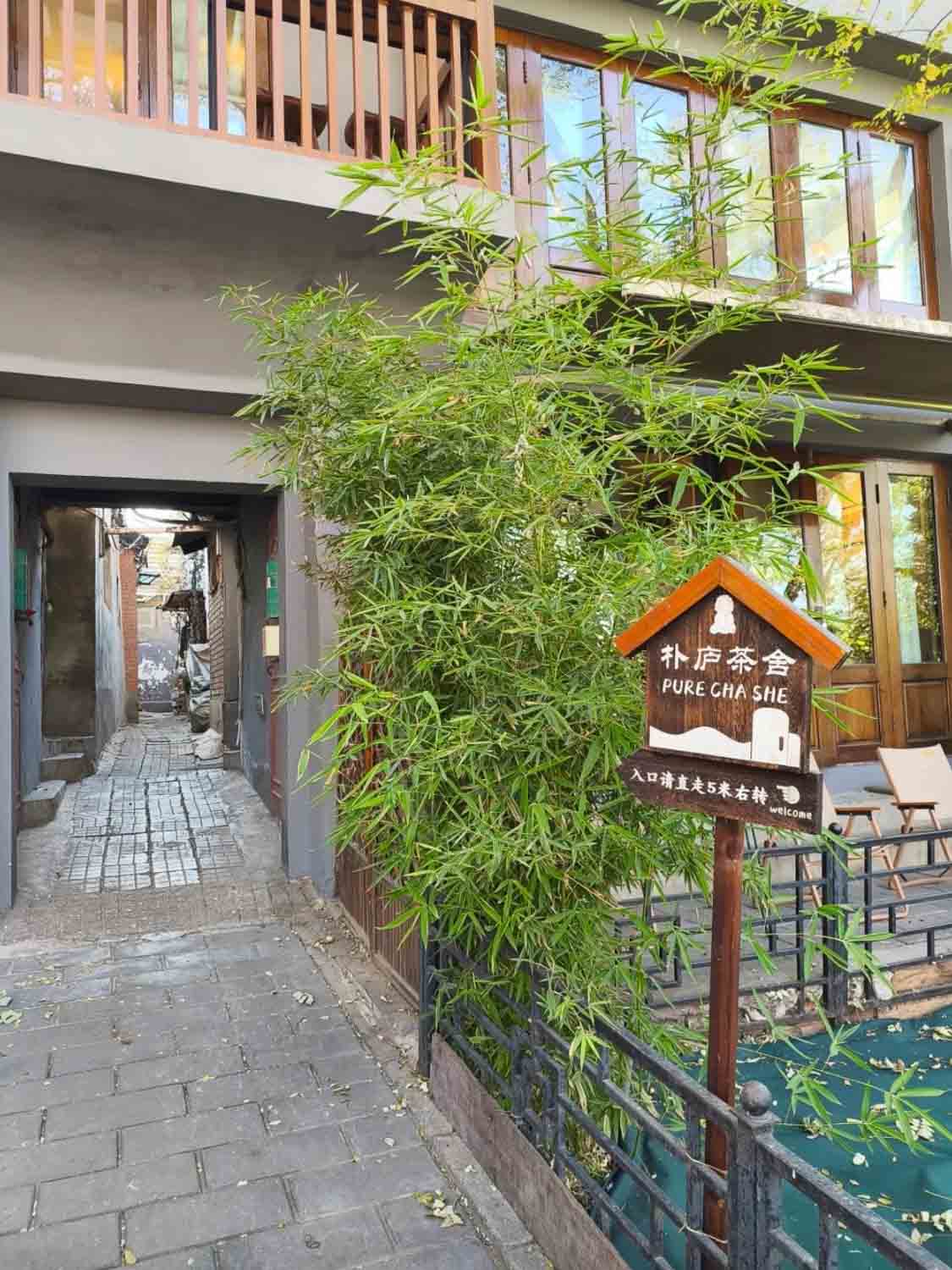
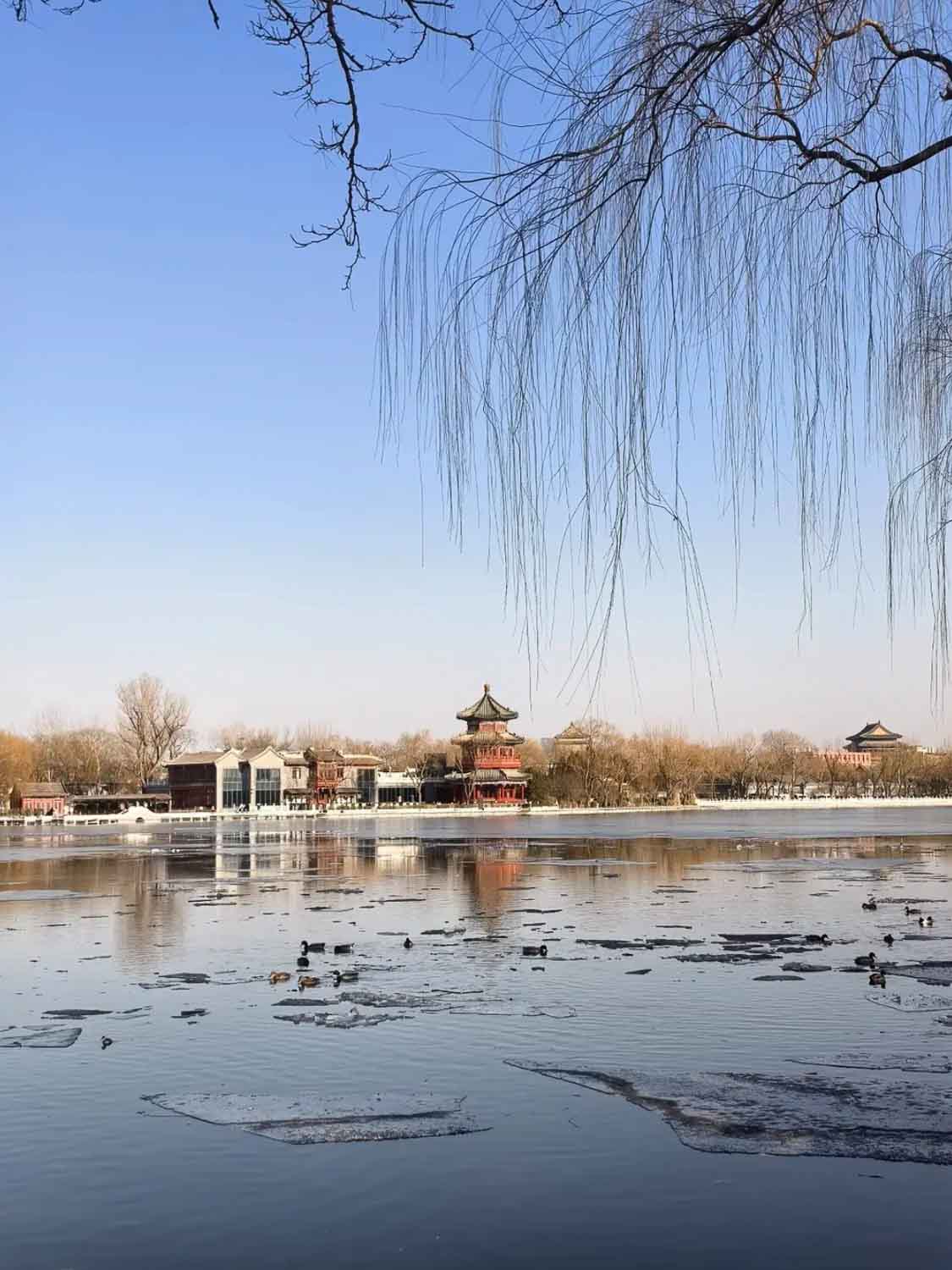
Hidden along the edge of Shichahai, Pure Teahouse is easy to miss. Just steps from the busy Houhai lake area, it feels like a quiet pocket tucked inside the chaos. Outside, crowds circle the water. Inside, it’s soft light, low voices, and the steady rhythm of tea being poured. The space is small but thoughtful, with a cozy interior and a modest courtyard in the back. From certain seats, you can enjoy views of Houhai while sipping your tea. It’s the kind of place where time slows naturally.

One of the highlights here is stove side tea, known in Chinese as 围炉煮茶 (wéi lú zhǔ chá). The practice dates back to the Tang and Song dynasties, when scholars gathered around a fire to boil tea and talk late into the night. Its more direct roots come from Yunnan’s fire pit tea traditions, where families roasted and brewed tea over open flames for warmth and conversation. In recent years, stove side tea has reemerged as a modern winter ritual. At Pure Teahouse, you sit around a small charcoal stove while tea gently simmers. It’s warm, communal, and quietly nostalgic.

Choose this spot if you want lake views, traditional tea, and a slower moment in one of Beijing’s busiest neighborhoods.

Name & Address: Pure Teahouse

28 Houhainanyan, Xicheng District

Opening Hours: Daily from 10:00 to 23:00

What to put in your taxi app: 朴庐茶社

What to Order:

  • Stove side tea (围炉煮茶套餐)

Average Price: 250 RMB

What We Love: Savor the blend of craft brews and inventive cuisine against Shanghai’s skyline.

Google Map (Requires VPN in China): Click here

Chinese Map: Click here

Our Beijing Food Tours:

Beijing Hutong Breakfast Tour

$39 USD

Try over 12 dishes at over 6 locations on this walking tour through Beijing’s historic hutongs! Along the way, uncover centuries of culinary heritage as we share the stories behind each bite and the passionate shop owners that are preserving the unforgettable tastes of Old-Beijing.
9am Daily

|

3 Hours

|

Walking Tour

Beijing Hutong Evening Food Tour

$75 USD

Try local Han, Mongol, and Muslim cuisines (plus more!) at Beijing’s most authentic restaurants. This top-rated walking food tour will explore the historic hutong alleys of Beijing while making stops at our favorite off the beaten path eateries.
6:30pm Daily

|

3.5 Hours

|

Walking Tour

Beijing Full-day Great Wall, Hutongs & Evening Food Tour

$305 USD

Get a true feel for Beijing in just one day: visit the Mutianyu section of the Great Wall, sit down to a farmhouse-style meal, and walk through the hutongs for a taste of the city’s local food scene. With an expert guide leading the way, this full-day tour brings you a perfect blend of history, food, and culture that define China’s capital city.
7:30am Daily

|

Full-day Tour

Savor Beijing’s Imperial Eats, Palaces, and Hidden Hutongs​

From $1450 USD

Spend 4 days eating your way through Beijing’s most iconic sights. Discover the Forbidden City’s ancient halls and courtyards, walk along the Great Wall and its watchtowers, explore historic hutong neighborhoods like a local, sit down to the city’s best Peking duck, and taste dozens of dishes Beijingers return to again and again.
4 days, 3 nights

Related Posts:

1点点 storefront in China

China’s Best Bubble Tea Chains in 2026

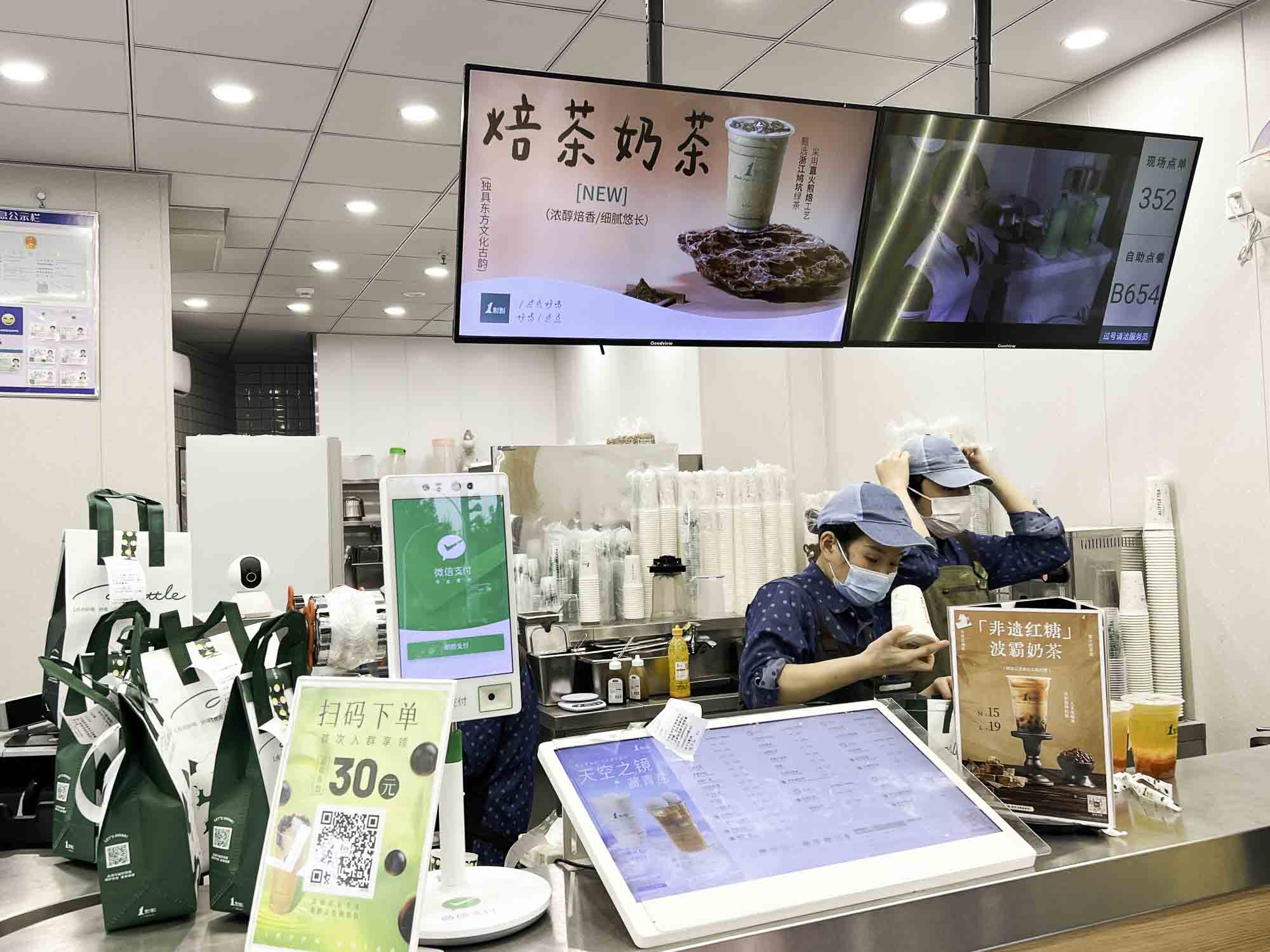
Milk tea in China is another level. Here, it’s a normal part of daily live. It’s woven into how people meet, work, study, and unwind, asking “What to grab a cup?” is an automatic assumption that you’re talking about grabbing a cup of milk tea. Modern Chinese milk tea starts with real tea, and the options are immense: Jasmine, green, roasted oolong, black, even pu’er. The focus is on tea aroma first, milk second, sugar.

Read More »
Best Beijing Cafes and Coffee Shops

Beijing’s Best Cafes & Coffee Shops in 2026

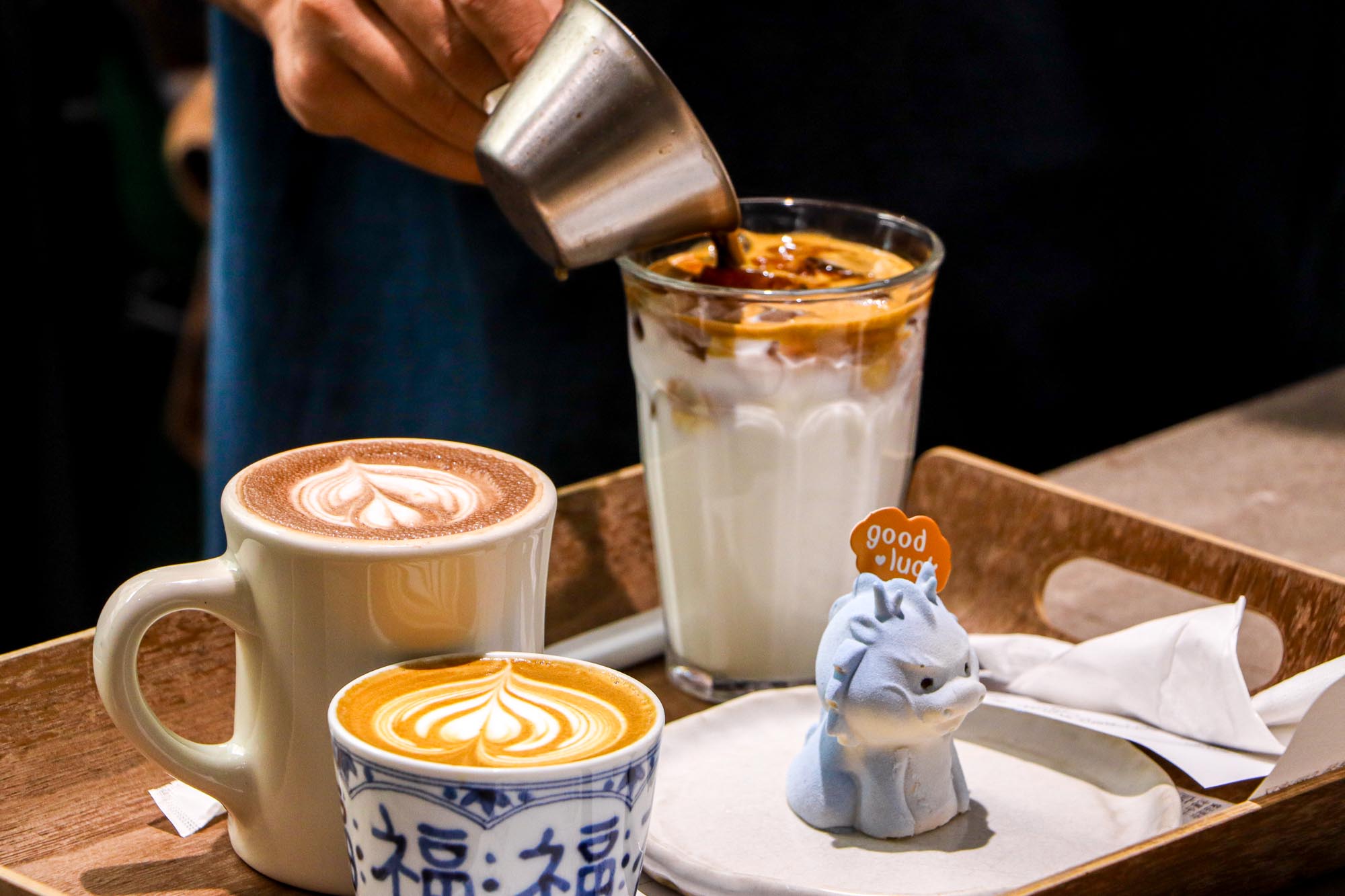
Coffee culture isn’t strong (or native) in China, but these cafes in Beijing will have you thinking otherwise. Criteria for our list considered all of the following: good coffee, decent wifi, comfortable vibe, and clean bathrooms.

Read More »
View of CCTV tower from hotel room

Beijing’s Best Hotels in 2026

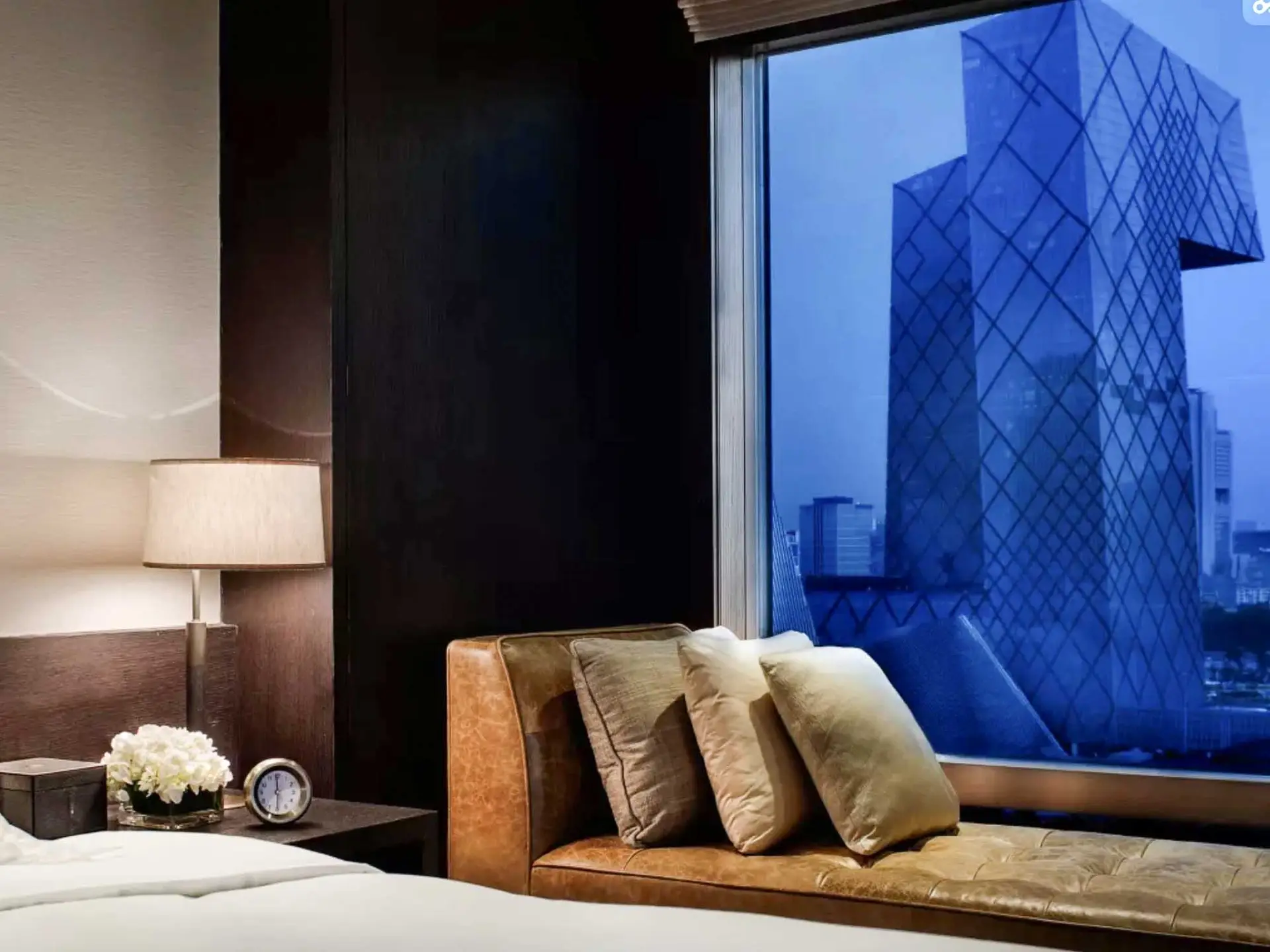
These hotels not only have stellar reputations but are also English-friendly and boast exceptional dining options. We’ve focused on places that offer unique Beijing experiences and are conveniently located, ensuring a memorable stay. After hearing from thousands of guests over the years, we’ve narrowed it down to our top 5 favorite places to stay in Beijing.

Read More »