For China & SE Asia Tours:
+86 156 9210 9030For Portland Tours:
+1 (503) 409-5593
We’d Love to Hear From You!
We’ll get back to you in less than 24 hours, 7 days a week. We promise.
This article is part of our Founder Series, a collection of articles written by Lost Plate’s founder Ruixi Hu. These articles share stories about her journey building Lost Plate to what it is today, and the memories that she has collected over the years.
You probably don’t think of China when you think of wine. That’s about to change.
Hidden in China’s remote northwest, where the vast Gobi desert meets the Helan mountain range, a quiet wine revolution is unfolding. Ningxia, once known for sheep herding and sandstorms, is now producing some of the most exciting wines in the world—and almost nobody knows about it.
But the world is catching on. International wine judges are handing out gold medals. Sommeliers are taking notice. Marselan, a red grape you’ve probably never heard of, is becoming China’s signature varietal. And for curious travelers who like to discover what’s next before everyone else does, there’s never been a better time to visit.
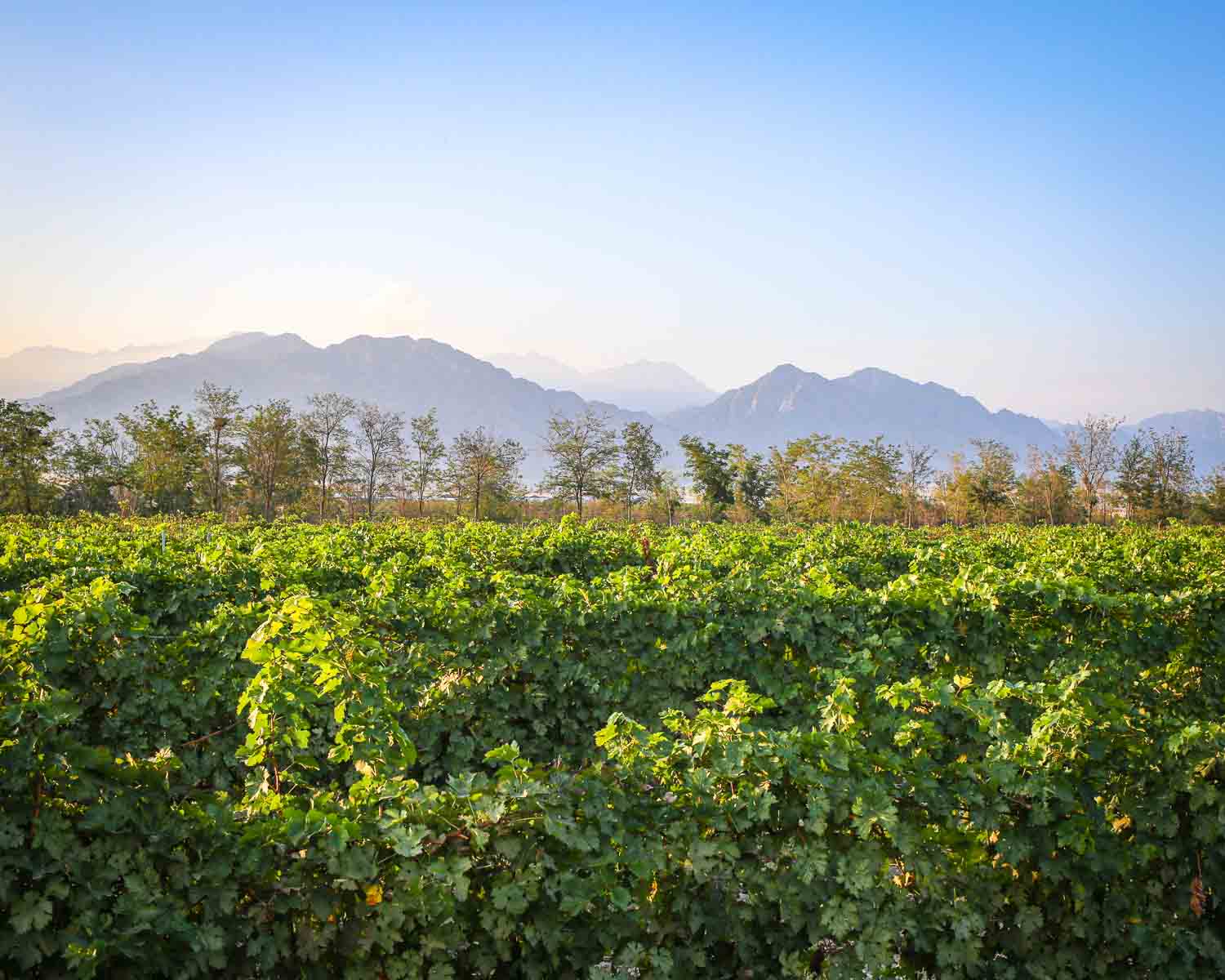
In Ningxia, greatness is born not from abundance, but adversity. Vines are planted at elevations between 1,100 and 1,300 meters, where they receive over 3,000 hours of sunlight each year—ideal for ripening. But what makes this terroir truly exceptional is its dramatic daily temperature shifts. Sweltering days give way to brisk nights, locking in acidity and building structure in the grapes.
The Helan mountain range act as both barrier and blessing, shielding vineyards from desert sandstorms while enriching the soil with mineral-laced sediment. Beneath the surface, a mix of gravel, sand, and loess overlays limestone bedrock, encouraging vines to root deep and struggle—yielding a concentrated fruit full of character. Lifeblood comes from the Yellow River, diverted through centuries-old canals, to transform the desert into fertile ground. This is not idyllic wine country in the classic sense—but it may be the future of it.
Cabernet Sauvignon has long dominated Chinese vineyards, but Ningxia’s most compelling story is the rise of Marselan—a relatively young varietal born in southern France from a cross between Cabernet Sauvignon and Grenache. China now grows more Marselan than any country in the world, and nowhere does the grape find a more expressive voice than in Ningxia.
Here, Marselan yields wines that are unmistakably local: fragrant with violet, red plum, and black cherry, edged with spice and that telltale flinty minerality that defines Ningxia’s soil. The best examples balance approachability with age-worthiness, their fine tannins and bright acidity making them equally suited to casual sipping or serious cellaring.
Unlike Cabernet, which can feel interchangeable across continents, Marselan in Ningxia feels grounded—like a story told in a new accent. For Chinese winemakers, it’s not just a grape. It’s an identity.


What sets Ningxia apart isn’t just its wine—it’s the people behind it.
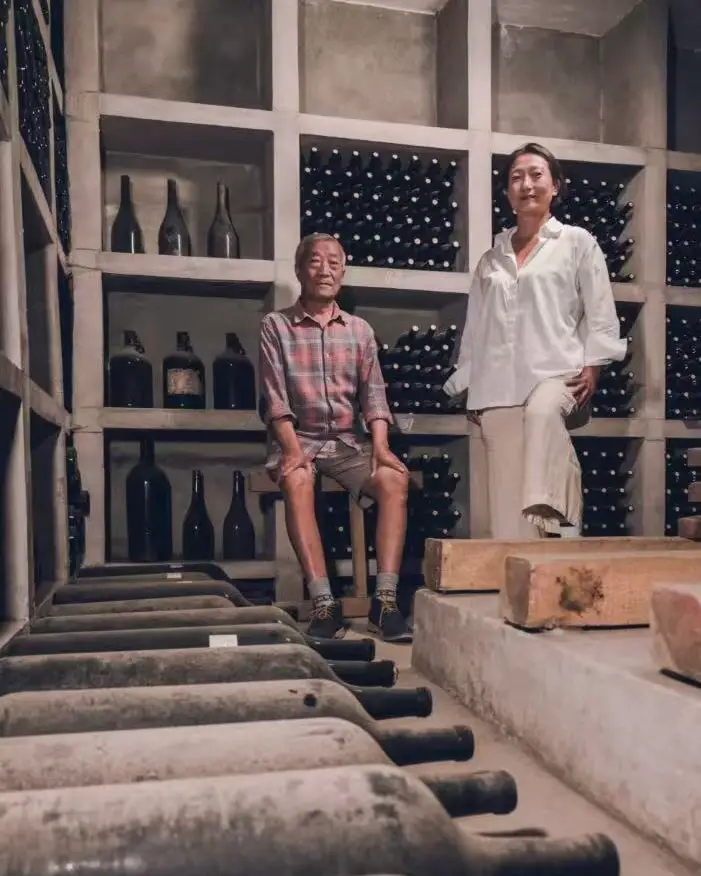
Take Emma Gao, the powerhouse behind Silver Heights, who trained in Bordeaux and brought that French precision home to Ningxia. Her return marked a turning point—not just for her family’s winery, but for the entire region. Today, she’s one of China’s most respected winemakers, crafting elegant, terroir-driven wines that consistently earn international acclaim.
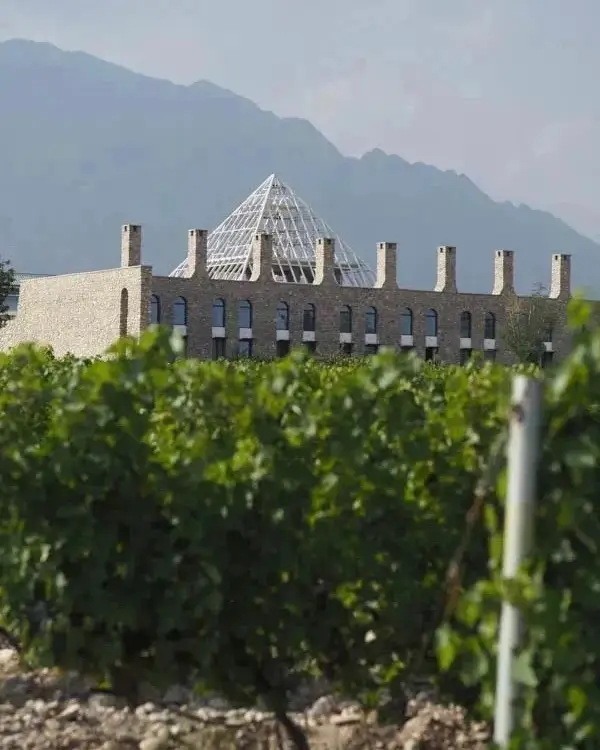
Then there’s Domaine Charme, an architect-owned winery nestled beneath a mountain peak shaped like a Buddha’s face. Every detail here is intentional – from the “Pyramid of Charme,” aligned with the meridian to channel energy between heaven and earth, to a wine cellar designed with natural airflow. Their organically cultivated, gravity-brewed wines are just as unique as the place itself.
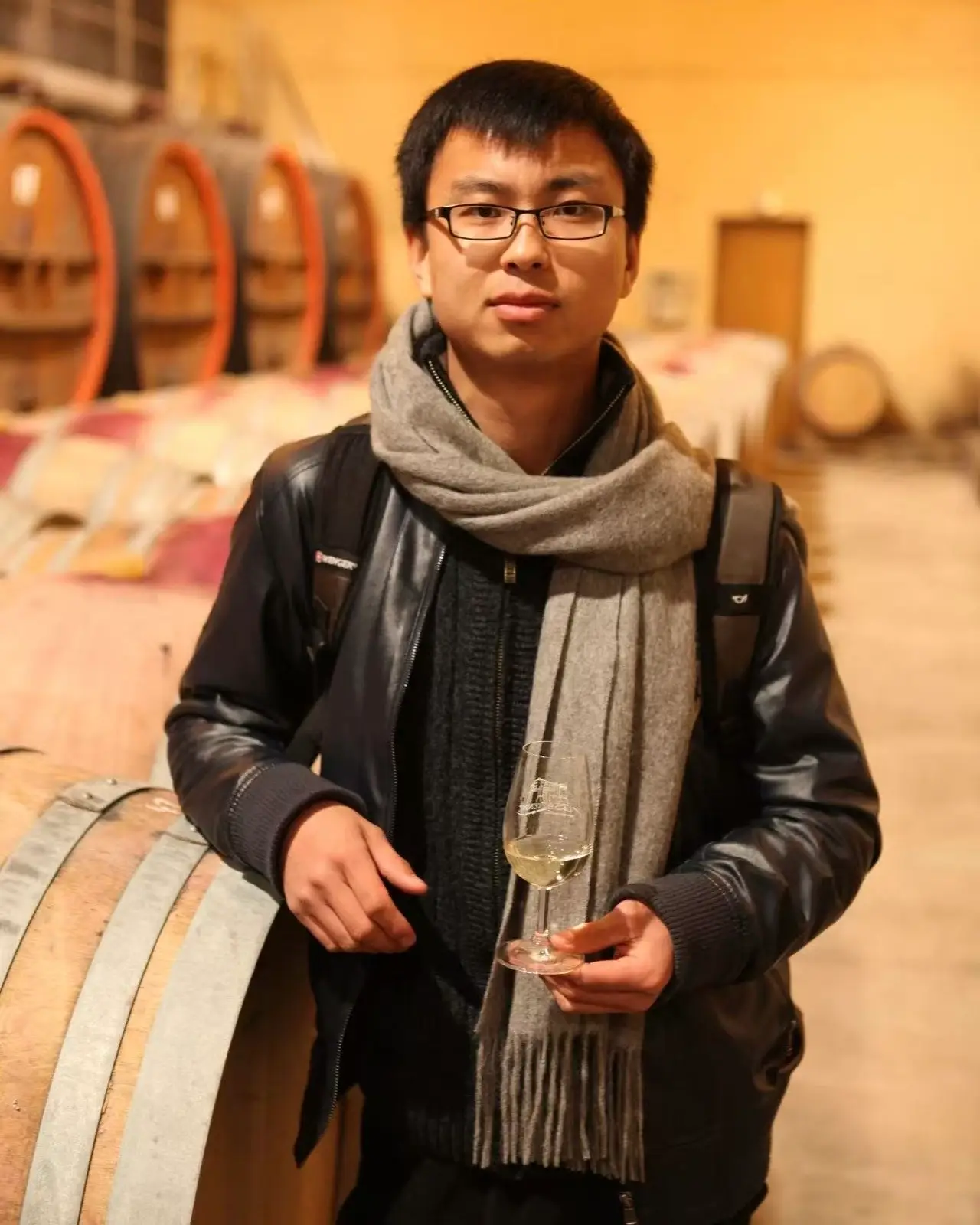
Meanwhile, the next generation is already making waves. At just 20-something, Liang Ning, one of the youngest known winemakers in Ningxia, is turning heads at Ganlu Winery. Born and raised in Ningxia, Liang blends youthful ambition with technical expertise that he learned locally. He runs a one man show, even designing the label and bottling the wine himself.
And all of them, no matter their background or age, face the same annual ritual: burying every single vine by hand before winter arrives, a brutal but necessary task to protect against the harsh cold. Come spring, they dig them out again—row by row, vine by vine. It’s a process that demands both patience and grit, and it defines the spirit of Ningxia winemaking as much as any barrel or bottle.


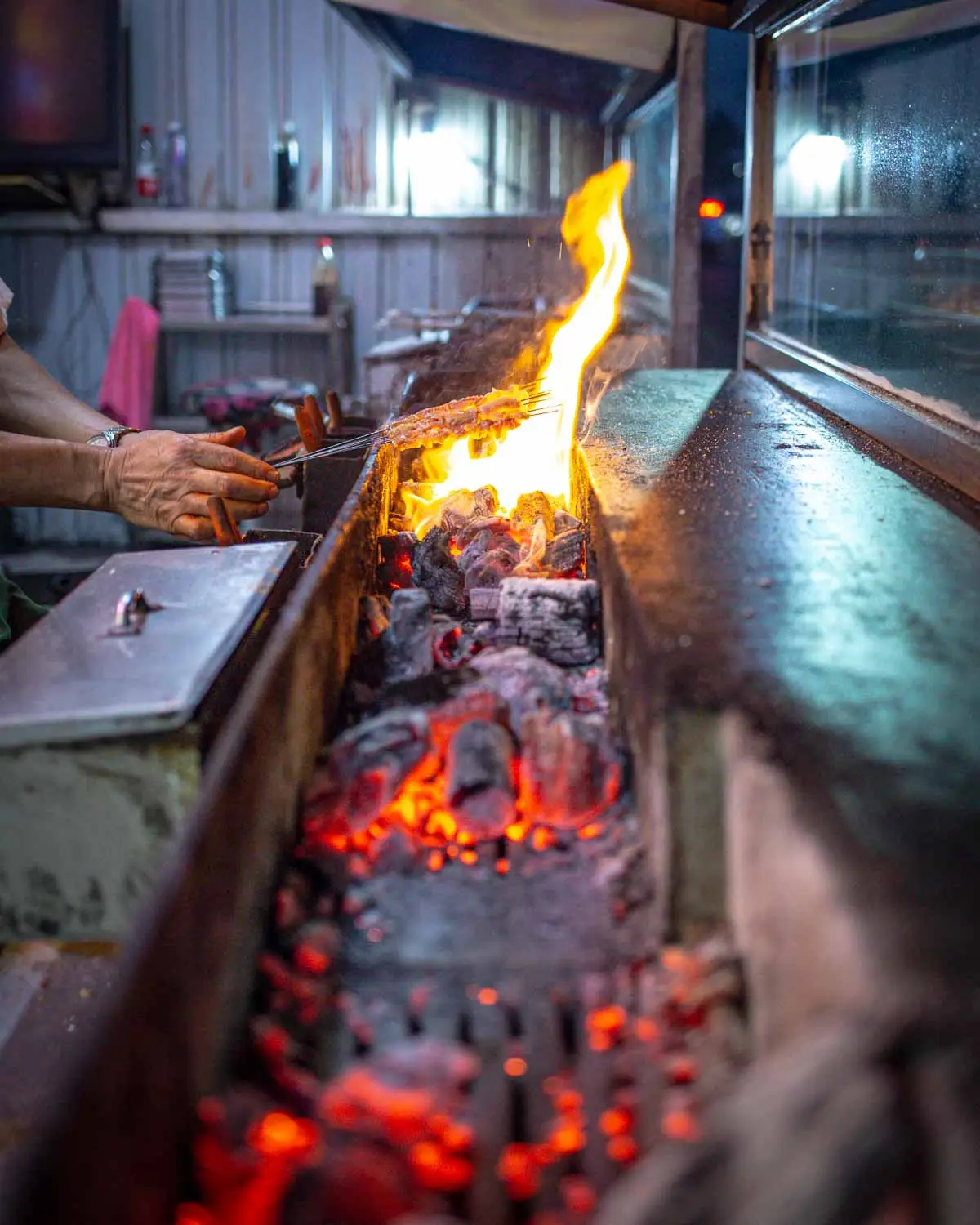
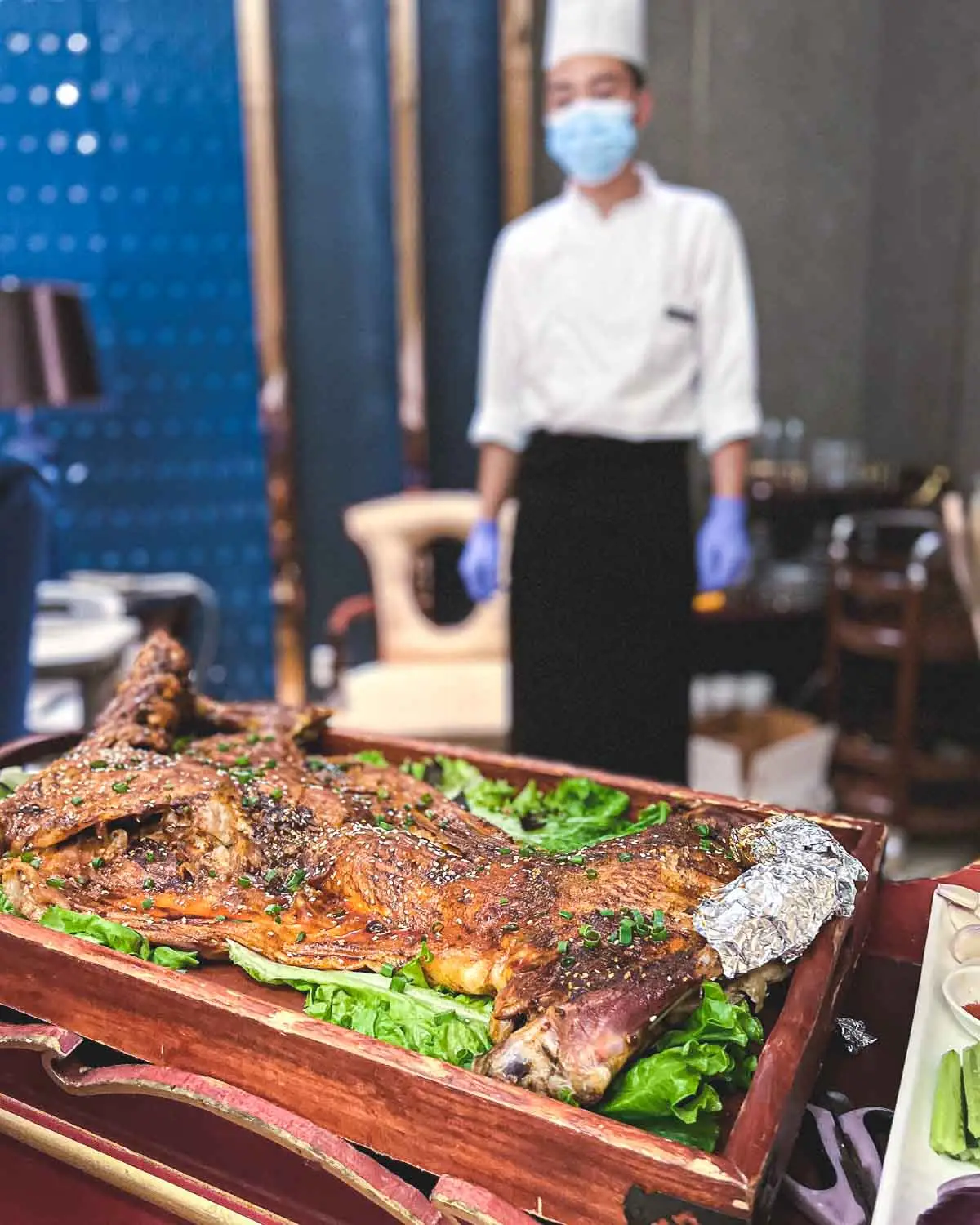
No journey to Ningxia is complete without a proper feast. The local Hui Muslim influence means lamb takes center stage, often prepared with dramatic flair.
Many of the winemakers here don’t have tastings rooms open to the public (or sometimes at all) due to the time it takes to focus on their wine year-round.
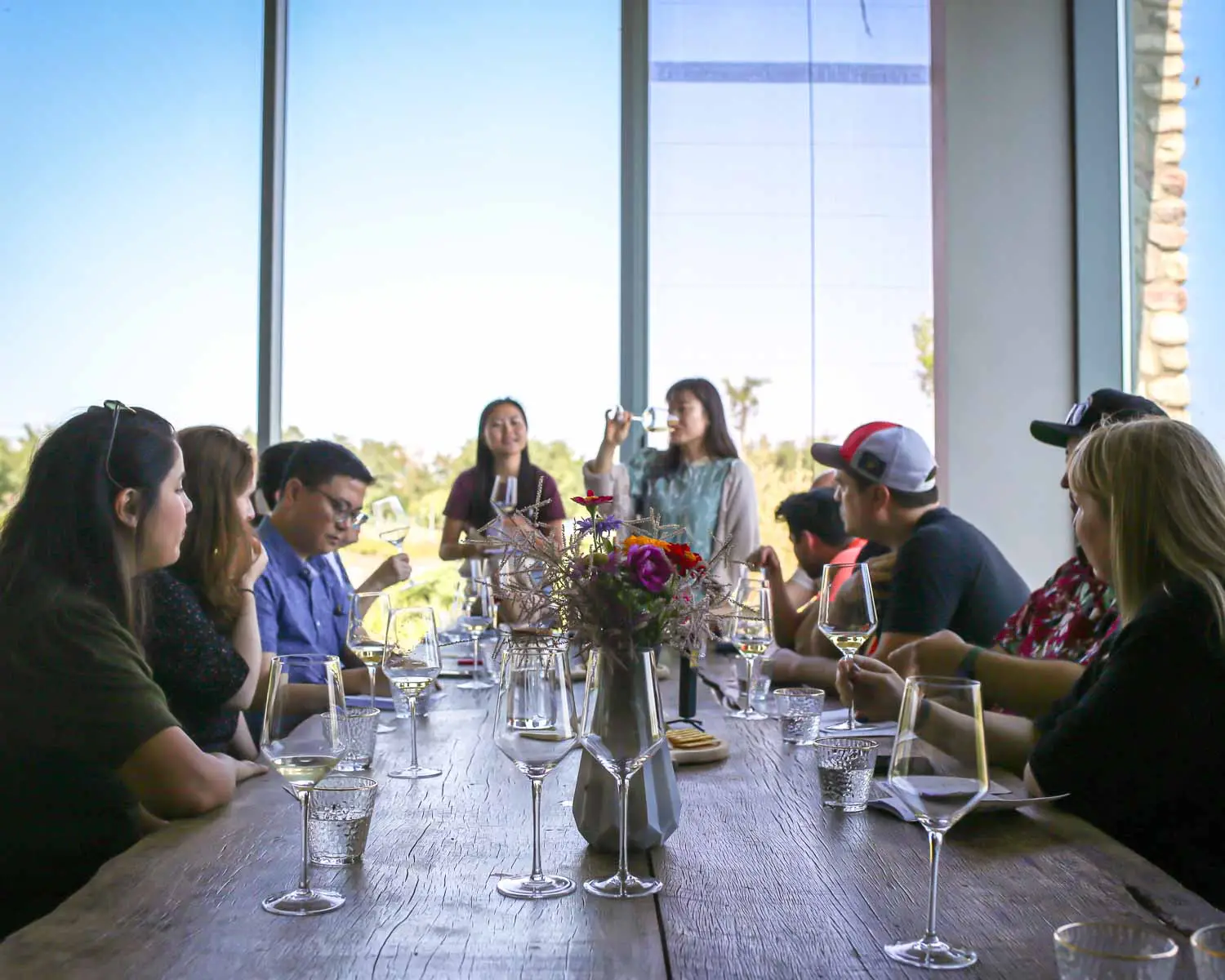
Through curated partnerships, Lost Plate offers privileged access to many of these smaller estates with private tastings that are often unavailable to independent travelers. Our 3-day wine tasting trip includes all tastings at 7 wineries, every meal, our local expert guide, and your accommodations.
Getting There: Fly into Yinchuan Hedong International Airport (INC), served by direct flights from major Chinese cities. The wine region lies about an hour west of the city, along the Helan Mountain East Foothills.
When to Go:
The best wine regions in the world share a common fate: once discovered, they change. Roads get busier. Tastings get booked out. The character softens. Ningxia isn’t there yet. It still feels like a frontier—albeit one with Bordeaux-grade ambition.
To visit now is to experience something raw and real. You’ll taste wines that rival the best in the world before they appear on auction lists. You’ll stand in cellars not yet overrun by tourists, shake hands with winemakers still blazing their path, and drink deeply from a landscape that defies expectation.
Ningxia doesn’t ask for hype. It’s already earned the respect of those who know. What it offers is rarer: the thrill of discovery. The chance to say, years from now, “I tasted it before the world did.”

In the spring of 2020, the world slowed down, but my mind did not. Like so many others in China’s travel industry, Lost Plate’s food tours came to a sudden halt when the pandemic closed borders. With no international guests, no tours, and no idea when things would return to normal, I found myself asking the same question as everyone else: what now?

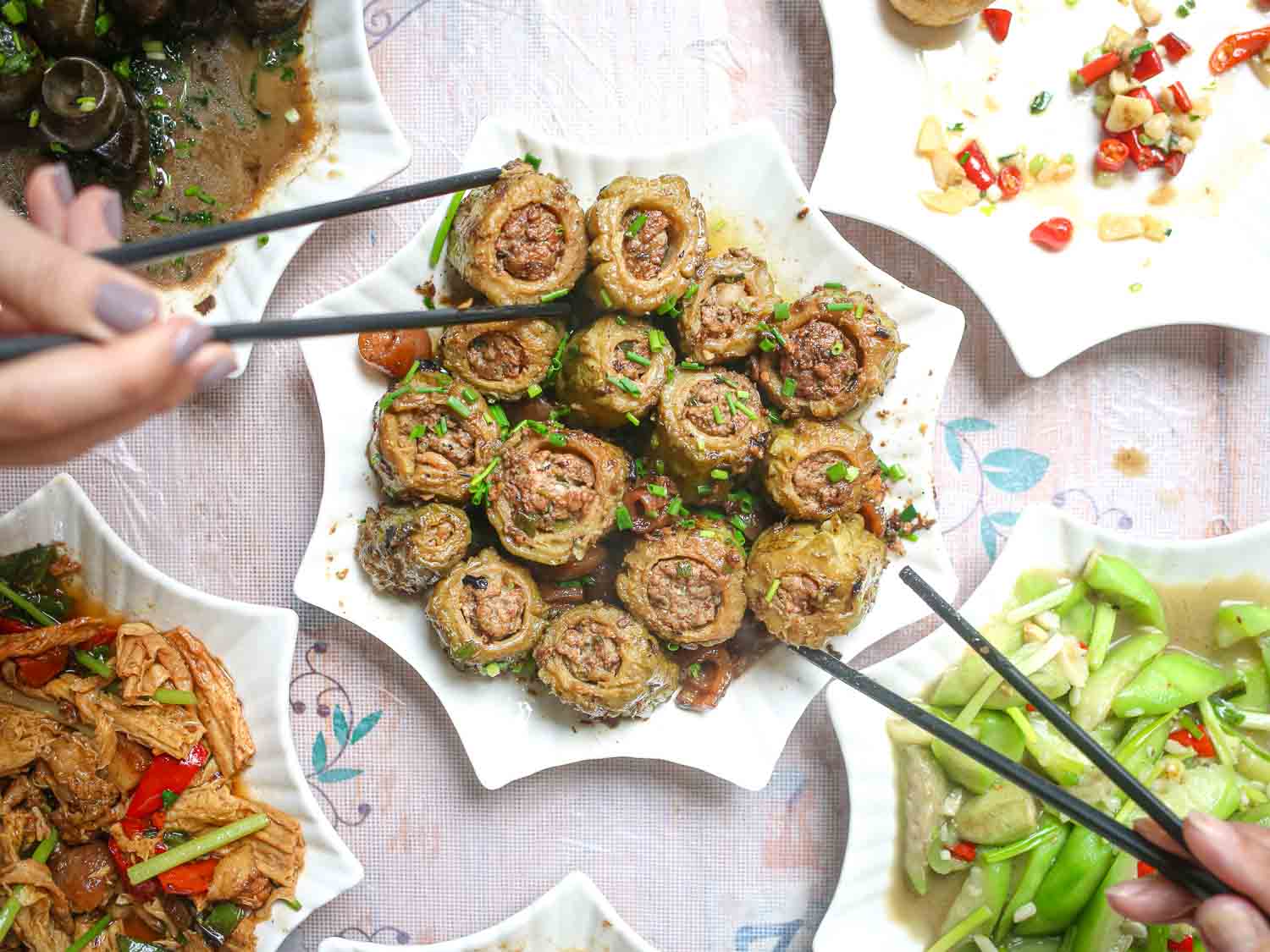
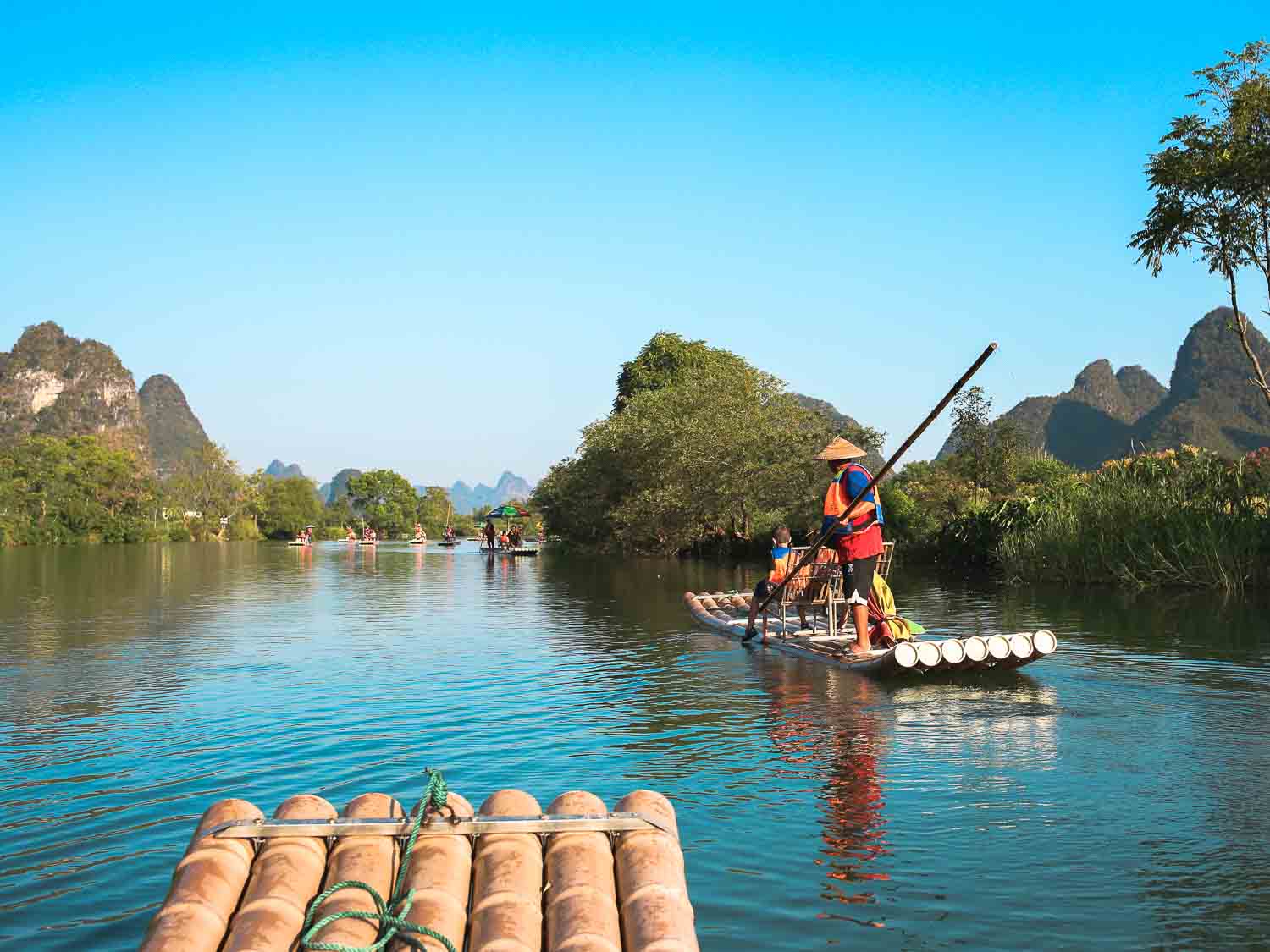
Some meals are about flavors. Others are about memory. And sometimes, if you’re lucky, a meal becomes a doorway into someone else’s world, where stories and laughter matter just as much as the food on the plate. That’s exactly what I found in a small village outside Yangshuo, where I sat down to one of the most unforgettable meals of my life. But this wasn’t a restaurant in the usual sense. It was someone’s actual home.

Ask any Shanghainese person, “What does Shanghai taste like?” and you’ll likely hear about its rich, soy-infused cuisine, a steaming bowl of scallion oil noodles, or perfectly crisp Shengjianbao. But one dish that truly captures the essence of the city’s food culture is “Baoyu,” or Shanghai-style fried fish.
Cookies store and/or access your device information so we can process important data. Not consenting may adversely affect your experience while using this site.