
For China & SE Asia Tours:
+86 156 9210 9030For Portland Tours:
+1 (503) 409-5593
We’d Love to Hear From You!
We’ll get back to you in less than 24 hours, 7 days a week. We promise.
This article is part of our Founder Series, a collection of articles written by Lost Plate’s founder Ruixi Hu. These articles share stories about her journey building Lost Plate to what it is today, and the memories that she has collected over the years.
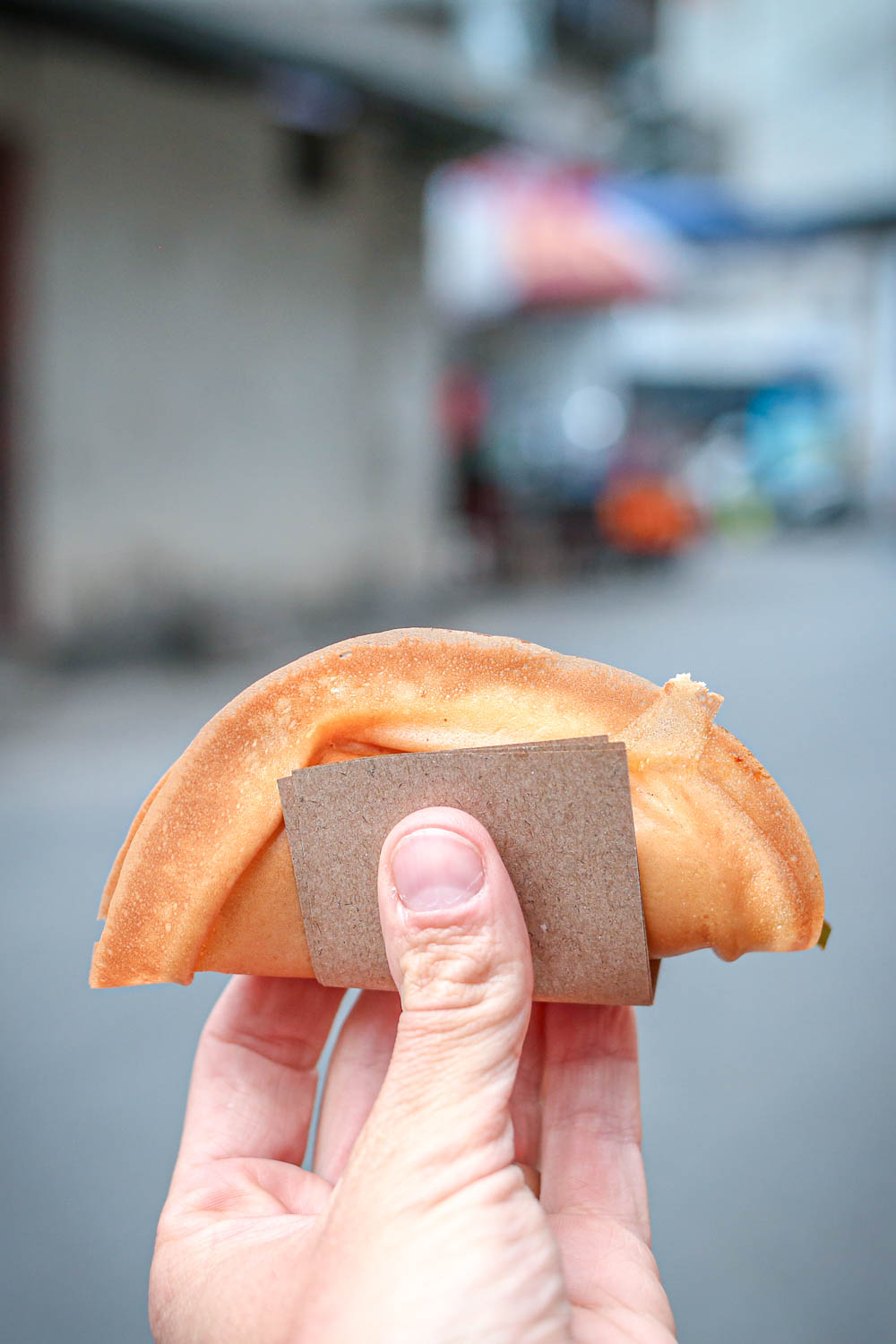
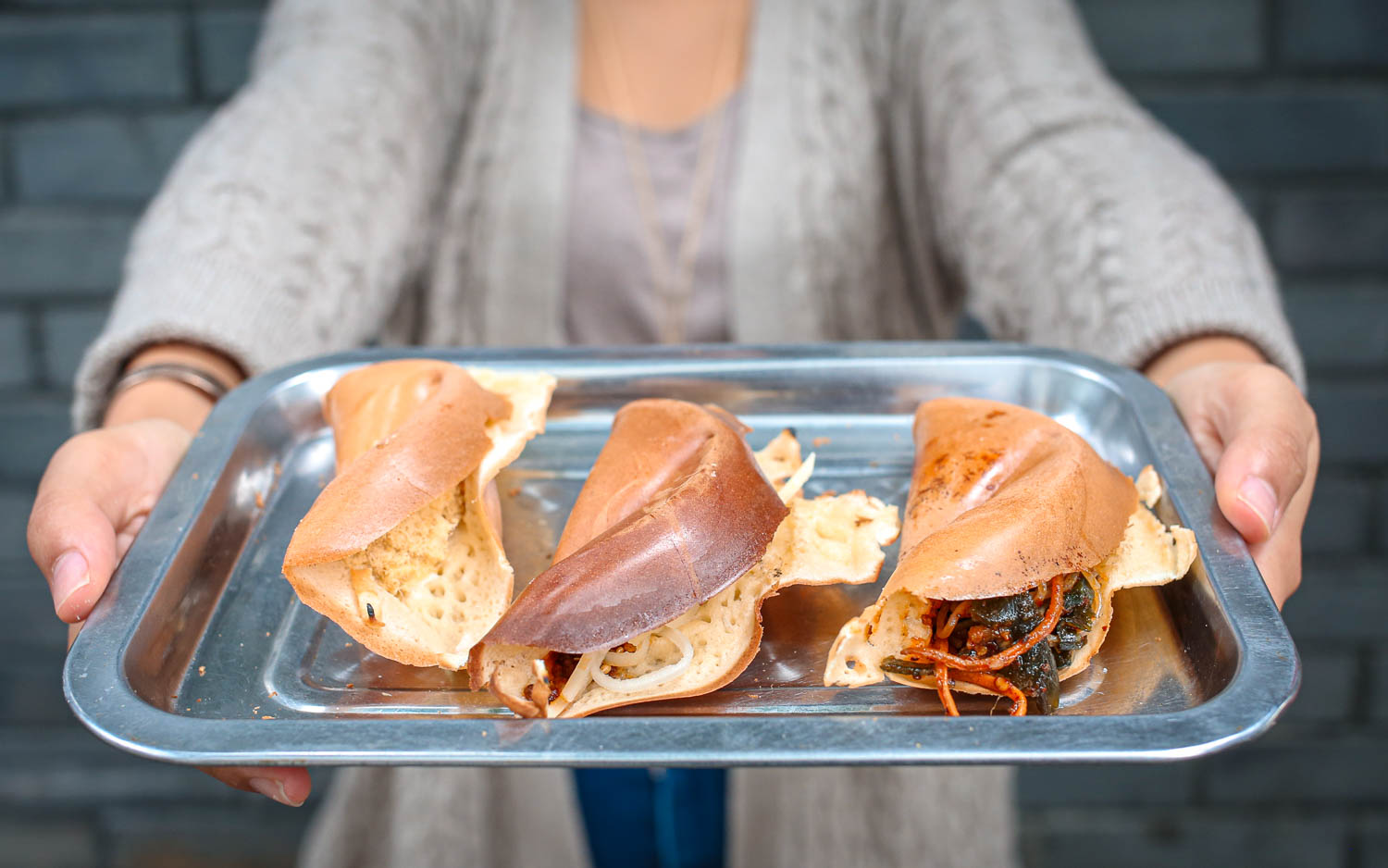
When I close my eyes and think of Chengdu, it’s not skyscrapers or pandas I see first – it’s a smell: chili oil, caramelized sugar, and the comforting aroma of yeast drifting up from sizzling griddles filled with golden half-moons of dough. These are dan hong gao (蛋烘糕), translated directly as egg baked pancakes, and to me they’re my entire childhood wrapped up in a delicious package – from sneaking out of class early to scraped knees during playground adventures. They’re more than street food; they’re edible nostalgia, warm, crunchy, and deeply connected to the heart of Chengdu.
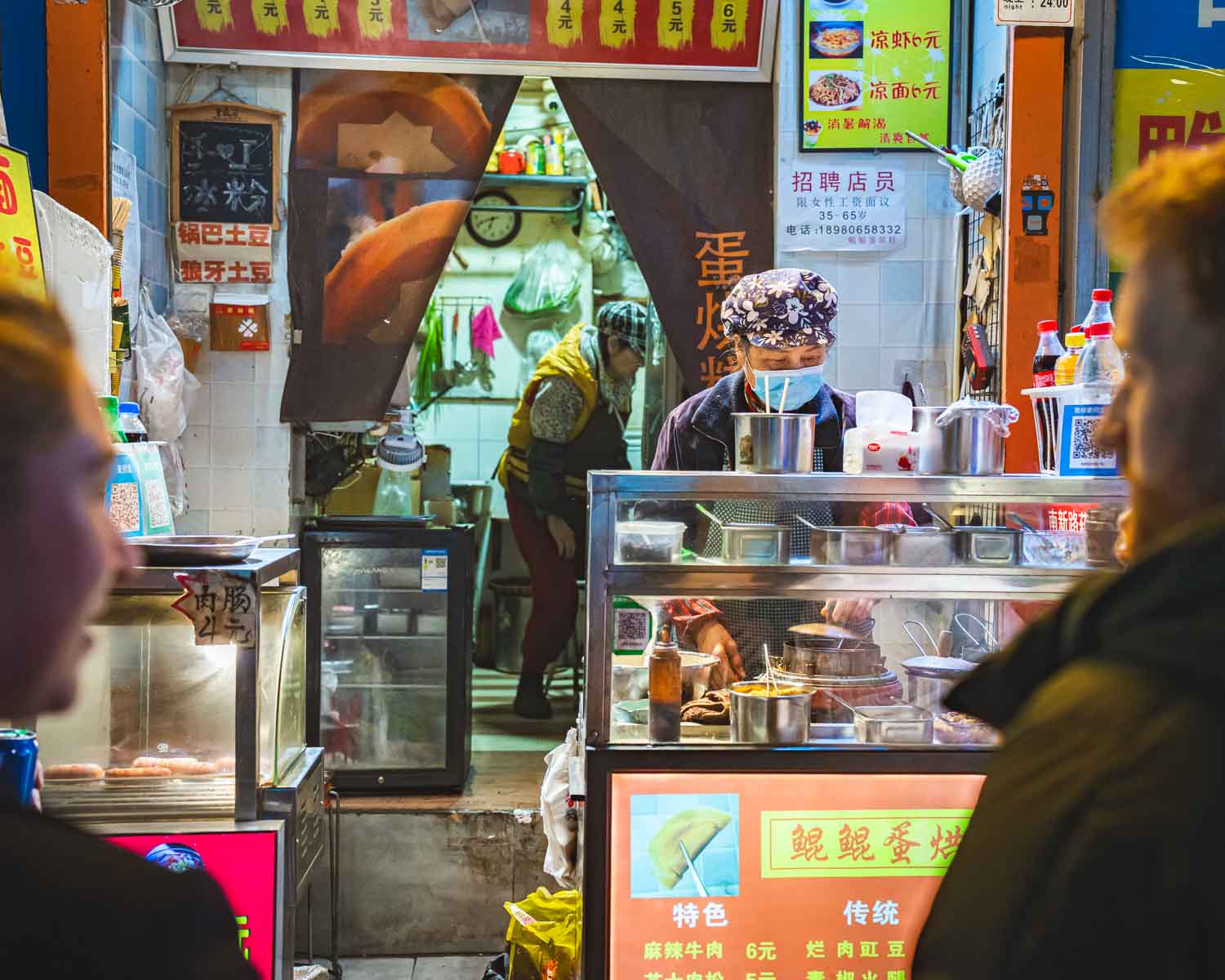
Nobody knows exactly who invented egg baked cakes or why they’re uniquely Chengdu’s own specialty, but they’ve been a beloved staple outside schools here for generations. Street vendors set up their carts by the school gates, feeding hungry kids who counted down the minutes until recess (or just ditched class entirely). And I’ll admit—I was one of those kids for over a decade. Every single morning started with a hot egg baked cake.
My go-to vendor, Ms. Fan (affectionately known as Fan Laoban), has been flipping these addictive cakes for more than 30 years. About nine years ago, she swapped her simple street cart for a cozy little shop, becoming an iconic holdout in a city where street food vendors have become rare.


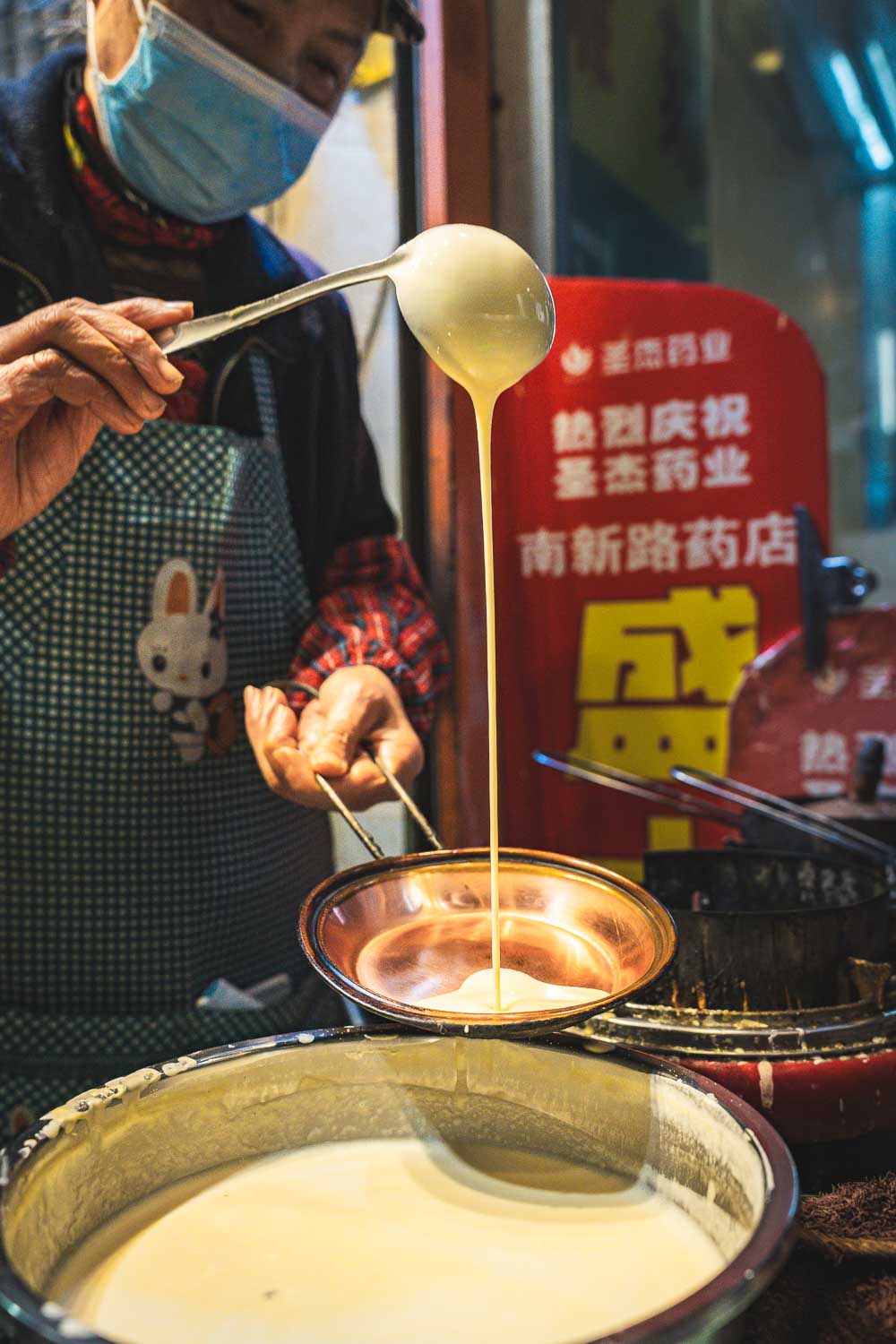
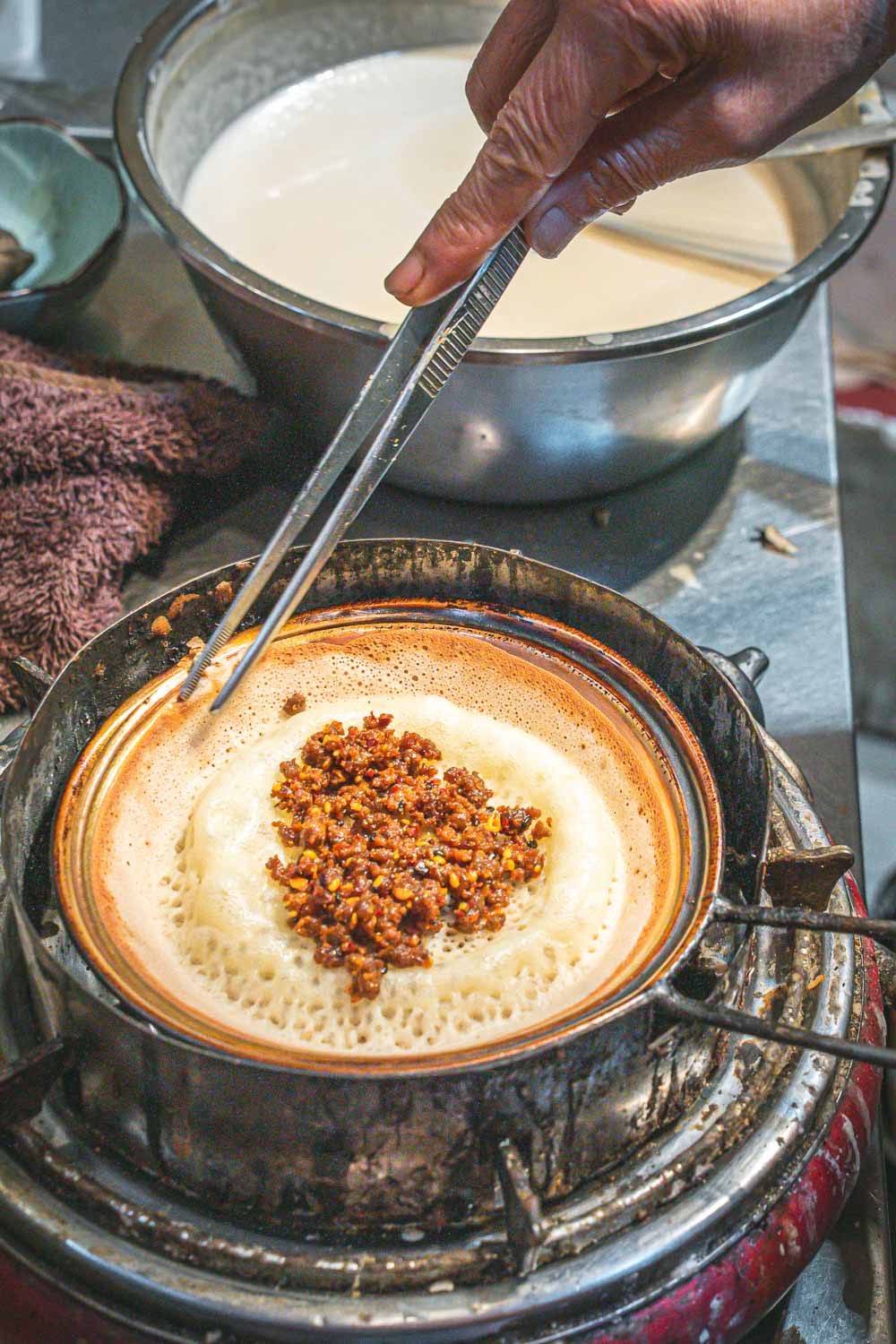
At first glance, the batter (made from eggs, flour, brown sugar, and yeast) looks deceptively ordinary. But pour it onto a scorching pan (tiny, special-made, and found nowhere else but Chengdu), and magic unfolds. It puffs into a golden mushroom-shaped pillow, with lace-like crispy edges and a soft, steaming interior. Then comes your filling, turning it into sweet, salty, spicy—or even all three at once—in one perfect, folded bite.
At places like Ms. Fan’s, menus are non-existent – you just point and hope for the best. Sounds intimidating? Here’s your personal cheat sheet:
Sweet Tooth’s Secret: Brown sugar, sesame seeds, and meat floss. Yes, meat floss – it’s pork spun into something like cotton candy. The sugar melts into sticky lava, sesame seeds add crunch, and the meat floss? It’s the salty whisper you’ll crave again tomorrow.
Spicy Daredevil: Ask for xiang la jiang (香辣酱), a sauce that scoffs at the idea of “mild.” Sichuan peppercorns tingle, chili oil brings the heat, and peanuts add a welcome crunch. You’ll sweat, sure – but you’ll smile, too.
Salty Nostalgia: Shredded potato, wok-tossed with salt. Simple? Absolutely. But it tastes exactly like rainy afternoons and nervously hiding your report card from your parents.
Chaos Mode: The “strange flavor” sauce – a sweet, salty, spicy concoction that’s as unpredictable as a Chengdu taxi ride. Fast, thrilling, and impossible to forget.
My go-to is always the sugar-sesame-meat floss combo. It’s the taste of my 10-year-old self running home with sticky fingers, full of joyful rebellion and sweet satisfaction.
Taste the nostalgia yourself – join us on our Chengdu Evening Food Tour and taste the cake that raised a generation. No forks needed—just sticky fingers and big smiles. Trust me, you’ll want seconds…or thirds (and we’ll give them to you).

In the spring of 2020, the world slowed down, but my mind did not. Like so many others in China’s travel industry, Lost Plate’s food tours came to a sudden halt when the pandemic closed borders. With no international guests, no tours, and no idea when things would return to normal, I found myself asking the same question as everyone else: what now?
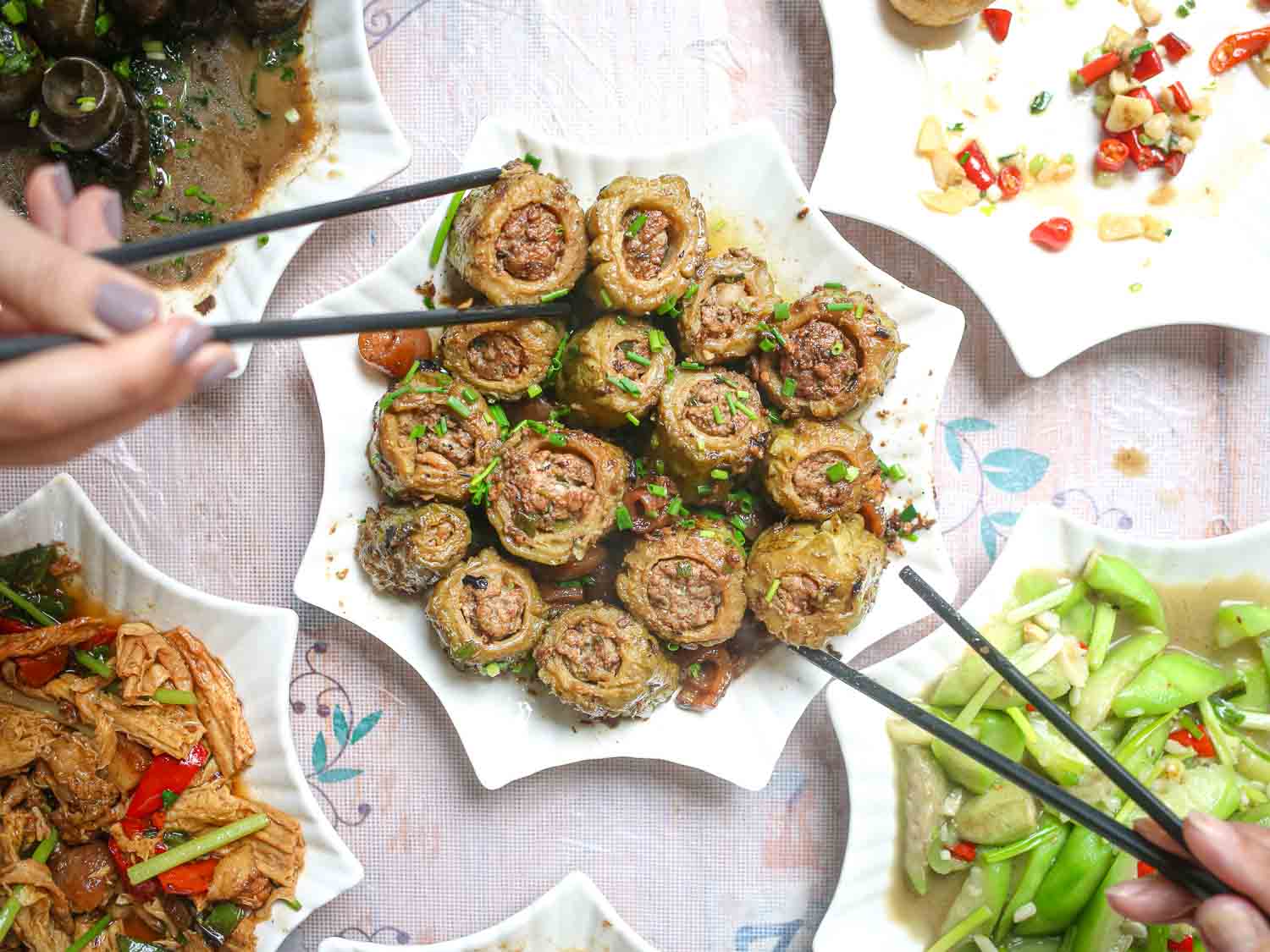
Some meals are about flavors. Others are about memory. And sometimes, if you’re lucky, a meal becomes a doorway into someone else’s world, where stories and laughter matter just as much as the food on the plate. That’s exactly what I found in a small village outside Yangshuo, where I sat down to one of the most unforgettable meals of my life. But this wasn’t a restaurant in the usual sense. It was someone’s actual home.

Ask any Shanghainese person, “What does Shanghai taste like?” and you’ll likely hear about its rich, soy-infused cuisine, a steaming bowl of scallion oil noodles, or perfectly crisp Shengjianbao. But one dish that truly captures the essence of the city’s food culture is “Baoyu,” or Shanghai-style fried fish.
Cookies store and/or access your device information so we can process important data. Not consenting may adversely affect your experience while using this site.